Key Takeaways
- Pasture raised eggs cost more because hens are given space, better diets, and more hands-on care.
- Smaller farms produce fewer eggs, which raises the cost per dozen.
- You’re paying for animal welfare, land stewardship, and a more natural farming system.
Pasture raised eggs cost more because hens are raised with more space, higher-quality feed, and hands-on care, resulting in lower production and higher costs per egg.
If you’ve ever wondered why pasture raised eggs cost more than grocery store eggs, you’re not alone. Many shoppers notice the price difference and ask the same question: What makes local eggs more expensive?
The price difference comes from how these eggs are produced: more slowly, and with greater attention to the hens, the land, and daily care.
Let’s take a closer look at what’s behind the cost of pasture raised eggs.
What Does “Pasture Raised” Really Mean?
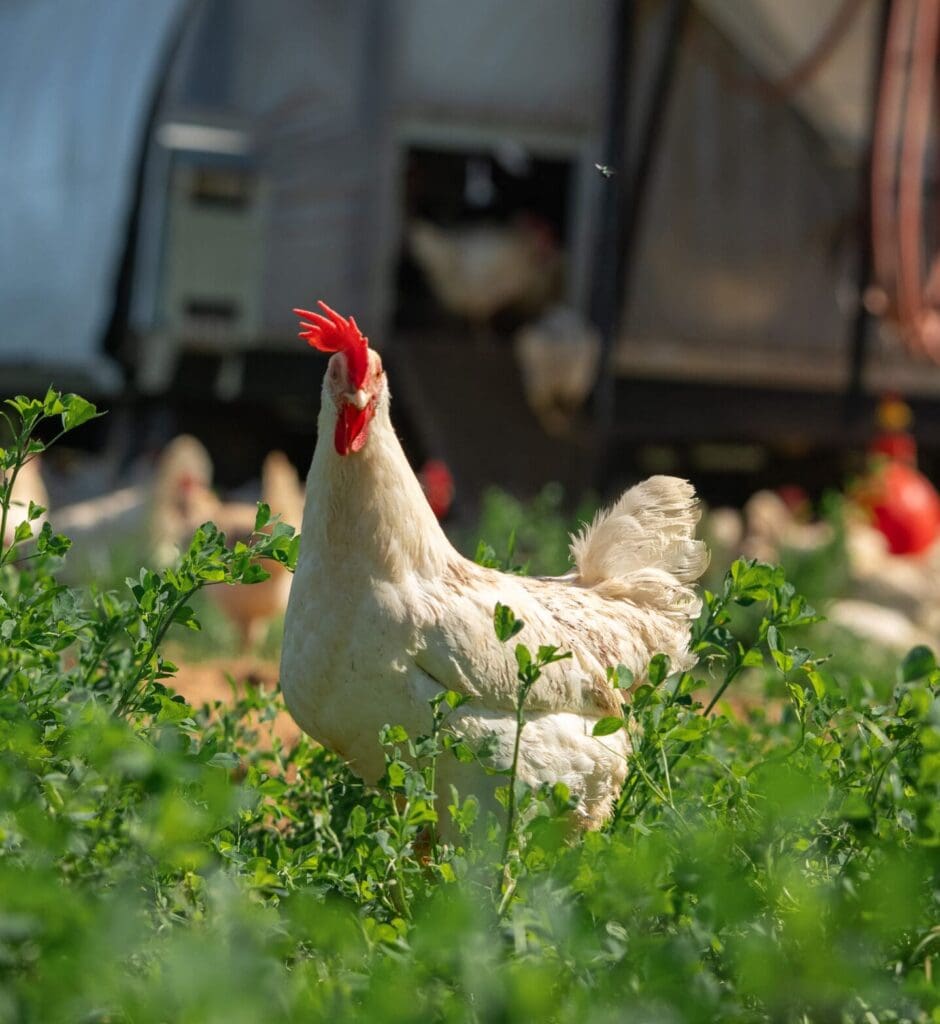
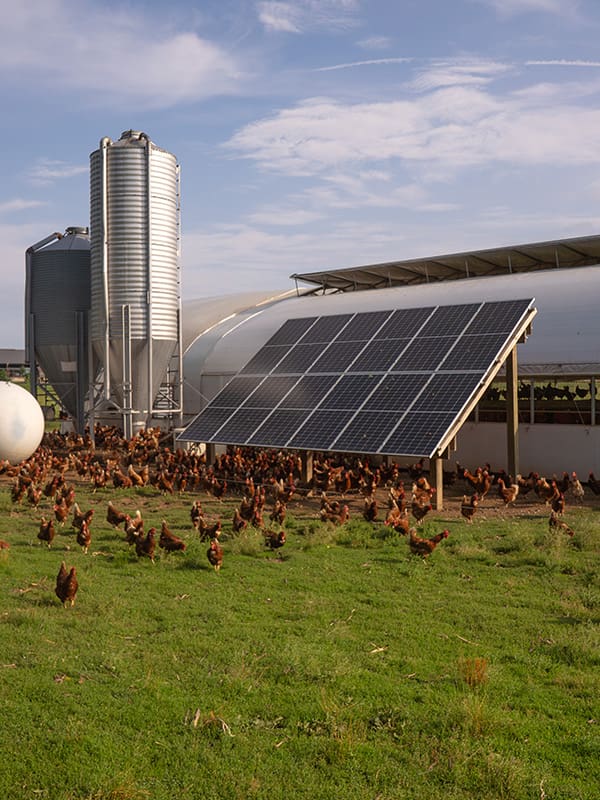
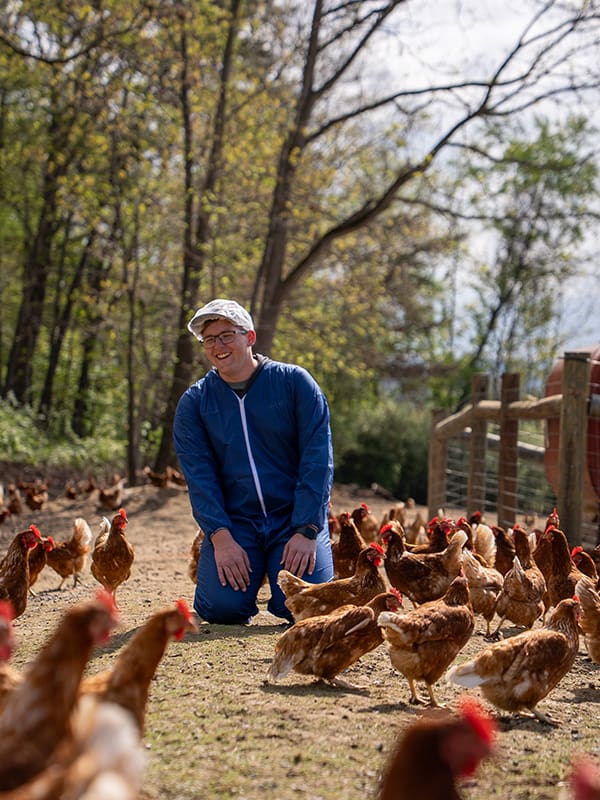
Pasture raised hens spend their days outdoors, moving freely across grass, foraging as they go.
They’re not confined to cages or crowded barns. Instead, they live in a system that allows them to scratch, peck, and rest naturally.
That kind of life requires more land and more management, which naturally leads to a higher cost per dozen.

Why the Price Is Higher (Especially When You Buy Local)
If you’ve ever searched for pasture raised eggs near you and noticed the price difference, it often comes down to how close to home those eggs really are.
Local pasture raised eggs aren’t coming from large distribution systems; they’re coming from nearby farms. On small farms like ours, this often means daily pasture rotation, careful feeding, and close attention to flock health.
That local connection shapes the price in a few important ways:
- Fewer hens per farm means fewer eggs available in your area
- Inputs are chosen more carefully, often prioritizing quality over cost
- Labor is done by farmers and small teams, not automated systems
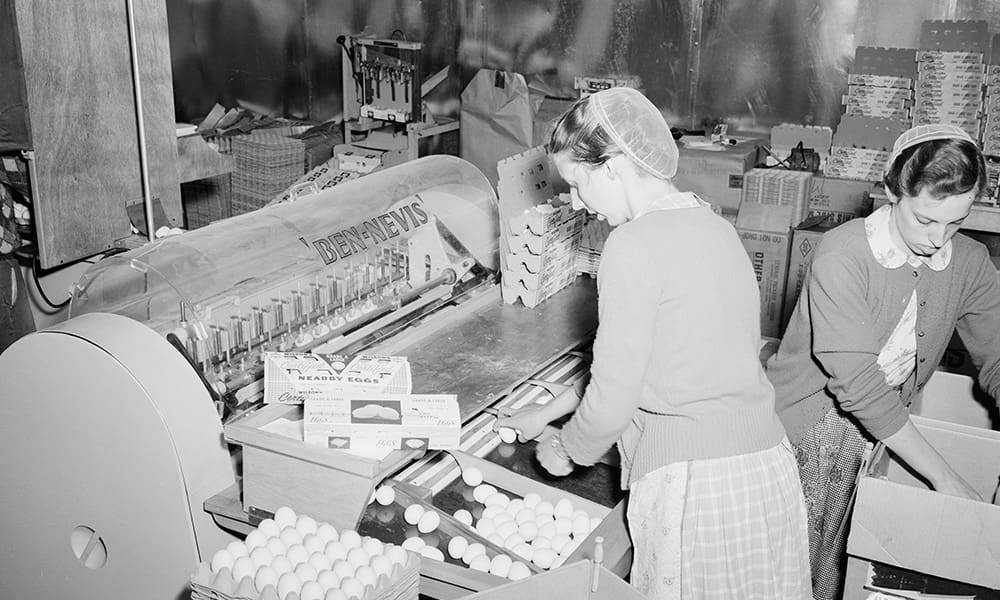
- Eggs are collected, cleaned, and packed by hand
- Production may slow during colder Pennsylvania months
- The weather in your region directly affects the hens and the land
- Eggs reach you faster, often within days of being laid
When you buy eggs from a local farm, the price reflects more than just the product itself – you’re supporting a food system that exists right where you live.
1. More Land, Fewer Eggs
Raising hens on pasture means giving them real space to live and thrive.
Unlike commercial production systems that maximize the number of birds per square foot, pasture-based farms intentionally limit flock size to protect both the animals and the land.
Fewer hens per acre means fewer eggs per day. And when supply is lower, the cost per dozen naturally rises.
2. A More Natural (and Costly) Diet
Pasture raised hens eat more than just feed; they forage for grasses, seeds, and insects, creating a diverse and nutrient-rich diet. Farmers still provide supplemental feed, often organic or non-GMO, which costs significantly more than conventional grain.
This combination supports healthier hens and contributes to those deep golden yolks many people notice.

3. Daily, Hands-On Care
Small pasture-based farms rely on people, not just systems.
That means:
- Moving coops to fresh grass
- Monitoring flock health
- Protecting hens from predators and weather
- Collecting eggs by hand
This kind of care takes time, patience, and dedication to the health and well-being of the animals.
Labor is one of the highest hidden costs in local egg production, and it’s a meaningful one.
4. Hens Lay at a Natural Pace
In pasture systems, hens aren’t pushed for maximum production.
They follow more natural laying cycles, which means they rest when needed, especially during seasonal changes.
That often means lower overall output, but it reflects a more humane and sustainable rhythm.
5. Small Farms, Smaller Scale
Most local pasture raised eggs come from local producers.
These farms don’t operate on an industrial scale, meaning they don’t produce millions of eggs or benefit from large distribution systems.
Instead, they serve their local communities, often with tighter margins and a deep commitment to doing things well.
When you buy from them, you’re helping sustain that kind of agriculture.
6. Nutrition and Flavor Differences
Many people choose pasture raised eggs for their nutritional value and taste.
Because of their varied diet, these eggs may contain:
- Higher omega-3 fatty acids
- More vitamins like A and E
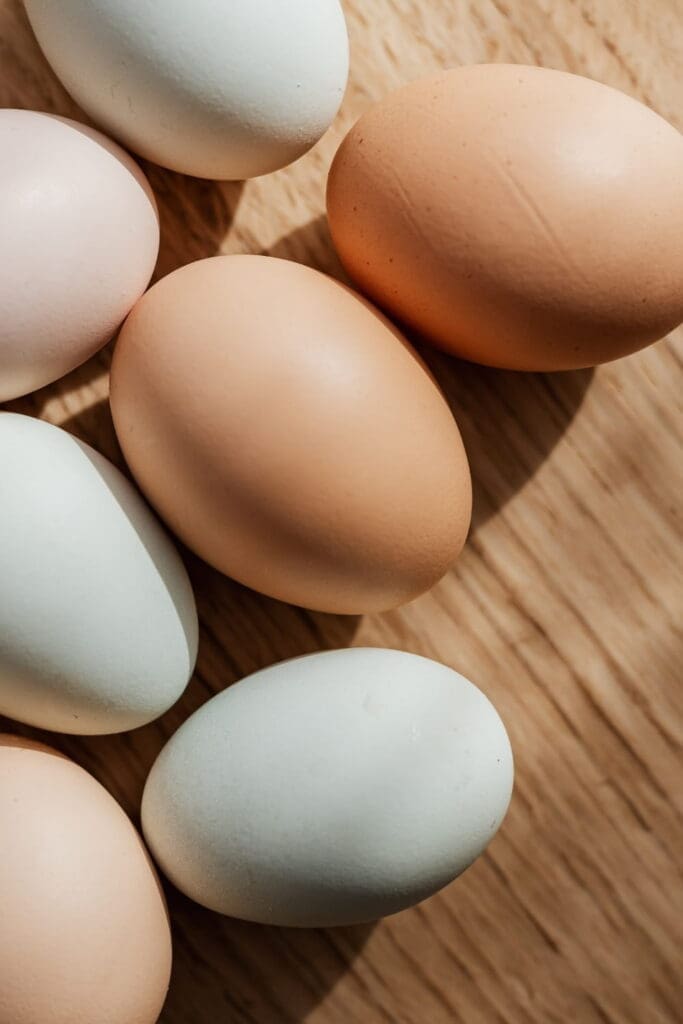
And for many, the flavor is noticeably richer, something you can see and taste!

7. Weather, Risk, and Uncertainty
Farming outdoors means working with the weather, not against it.
Pasture raised hens experience:
- Heat waves
- Cold snaps
- Heavy rain and muddy conditions
Farmers adapt constantly by providing shelter, rotating pasture, and ensuring hens stay safe and healthy.
But these conditions can affect production, increase labor costs, and sometimes lead to loss, and that risk is built into local egg prices.
8. Transparency and Trust
With local pasture raised eggs, you’re often buying directly from the source.
That means you can:
- Ask how the hens are raised
- Learn what they’re fed
- Understand farming practices
There’s a level of openness that’s harder to find in large-scale systems, and that trust has value, too!
Finding Pasture Raised Eggs Near You
If you’re looking for pasture raised eggs near you, there are a few places to start:
- Local farm stands and honor-system coolers
- Farmers markets in your area
- Independent farms selling directly to their community
- Local food co-ops or specialty grocery stores
In places like Pennsylvania, it’s not uncommon to find farms offering eggs seasonally or year-round, depending on their setup.
And when you do find a local source, you may notice something right away: the eggs are fresher, the yolks are deeper in color, and the connection to where they came from feels closer.
A Local Perspective
Choosing local pasture raised eggs isn’t just about what’s in the carton.
It’s about keeping small farms in your area going, supporting land that’s being cared for thoughtfully, and having the option to know your food a little more closely.
That’s something commercial egg production doesn’t easily offer, and it’s part of what you’re paying for.
So, What Are You Paying For When You Buy Pasture Raised Eggs?
When you buy local pasture raised eggs, you’re not just buying a dozen eggs.
You’re supporting:
- Humane treatment of animals
- Regenerative use of land
- Small-scale, local farming
- Slower, more intentional food production
It’s a different system, and the price reflects that difference.

Pasture Raised vs. Store-Bought Eggs
Here’s a simple side-by-side look:
| Feature | Pasture Raised Eggs | Conventional Grocery Store Eggs |
| Living Conditions | Outdoor access on pasture | Indoor housing, often crowded |
| Diet | Foraged + supplemental feed | Primarily grain-based feed |
| Farm Size | Small to mid-scale | Large industrial scale |
| Egg Production | Lower/seasonal | High/consistent |
| Price | Higher | Lower |
When comparing pasture raised eggs vs. store-bought eggs, the higher price reflects the cost of space, feed, labor, and smaller-scale production.
A Closing Thought
Pasture raised eggs aren’t always the most accessible option, and they don’t have to be an every-week purchase for you to support smaller operations and sustainable practices.
Behind every carton, there’s more than eggs.
There’s care.
Frequently Asked Questions (FAQs)
1. Why are pasture raised eggs more expensive than regular eggs?
Pasture raised eggs cost more because hens require more space, higher-quality feed, and hands-on care, and they naturally produce fewer eggs per hen.
2. Are pasture raised eggs healthier?
Pasture raised eggs may contain more omega-3 fatty acids and vitamins due to the hens’ diverse, natural diet.
3. Do pasture raised eggs taste better?
Many people find pasture raised eggs richer and more flavorful, often with deeper-colored yolks.
4. What’s the difference between pasture raised and free-range eggs?
Pasture raised hens have consistent outdoor access to open land, while free-range hens may have limited or smaller outdoor areas.
5. Are pasture raised eggs worth the cost?
For many, the benefits—animal welfare, nutrition, and supporting local farms—make pasture raised eggs worth the higher price.
6. Why do small farms charge more for eggs?
Non-industrial systems produce eggs at lower volumes, with higher labor and feed costs, and without the efficiencies of conventional farming systems.
7. Do pasture raised hens lay fewer eggs?
Yes, pasture raised hens often have a smaller daily yield because they follow more natural cycles and are not optimized for maximum production.