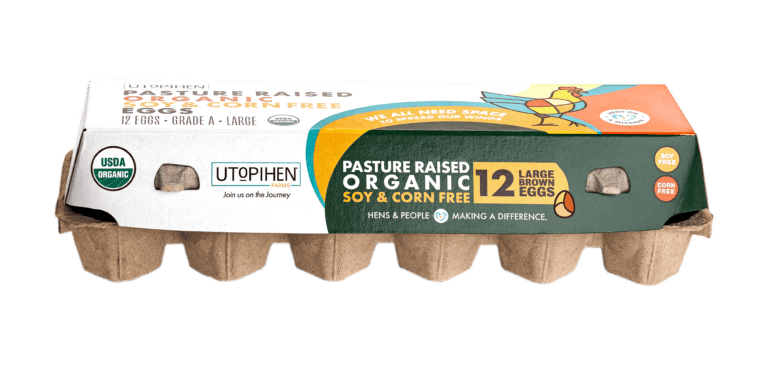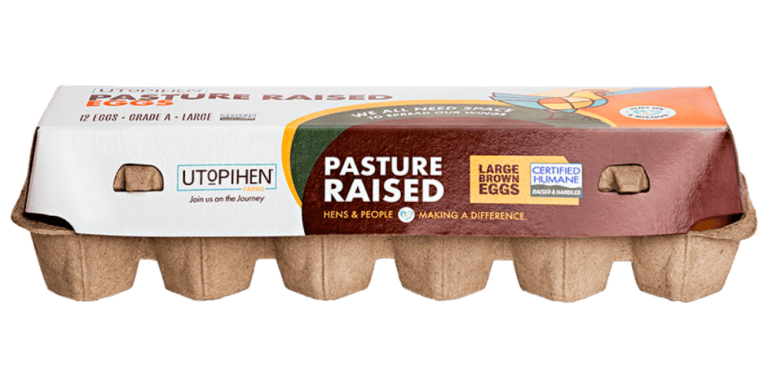
Pasture Raised Soy & Corn-Free Eggs
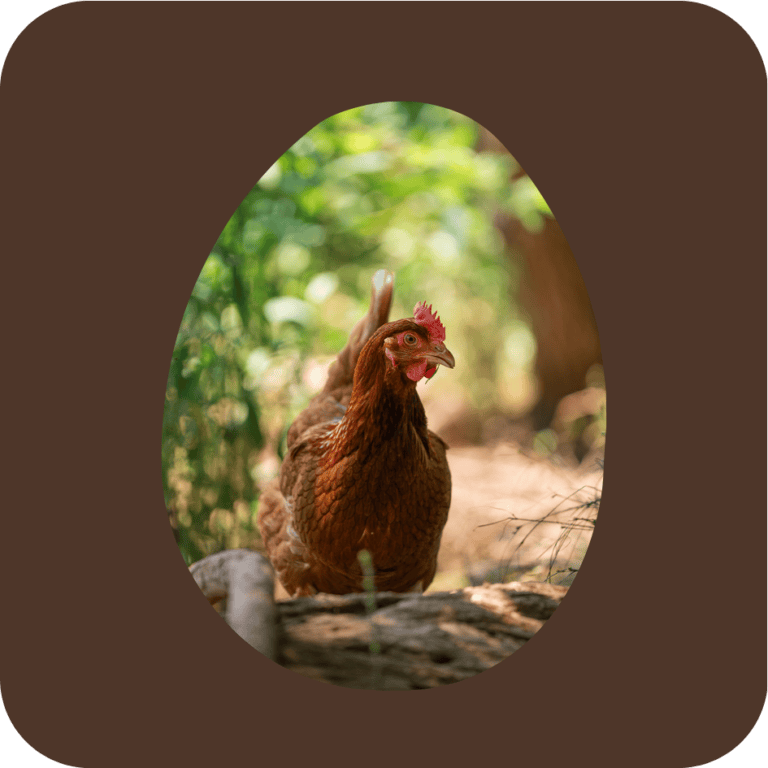
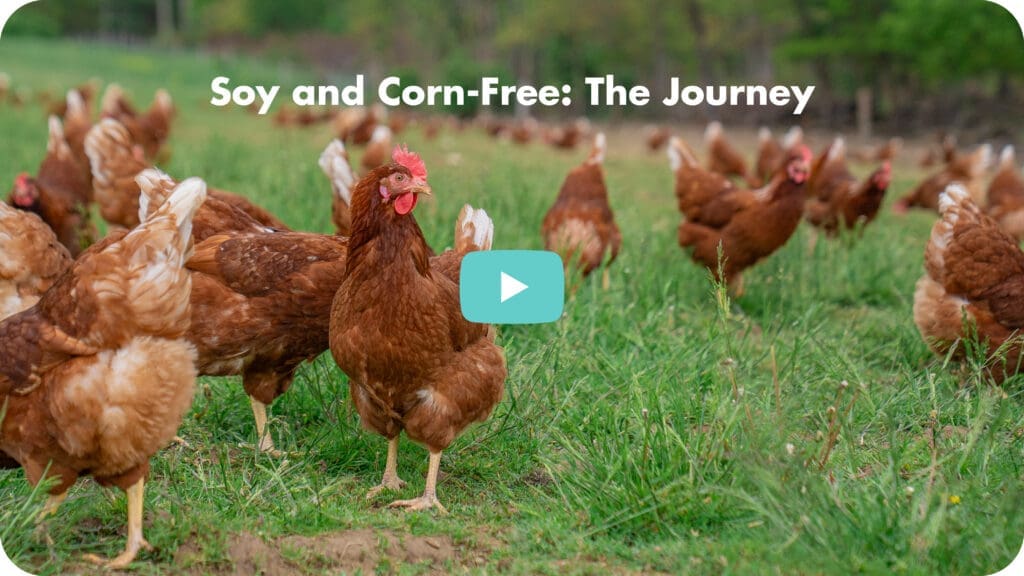
Our Pasture Raised Soy & Corn-free hens are raised on small family farms in Lancaster County and the surrounding area with real outdoor access and plenty of space to do what hens are built to do: roam, forage, and move through a varied landscape at their own pace.
The farms our hens live on aren’t flat, uniform fields. They have wide open pasture with fresh grass, areas of tall grass and natural brush, and trees that give the hens shade and a sense of being somewhere wild. It’s genuinely close to what free-living looks like, with the added comfort of a safe barn to come back to.
That outdoor life shapes the egg. The foraging, the variety of plants and insects, the space to move: all of it contributes to the deeper golden yolk and the fuller flavor that pasture raised eggs are known for. Removing soy and corn from the supplemental feed is a meaningful step. But it’s the pasture access underneath it that makes the whole system work.
Pasture Raised Soy & Corn-free eggs are a nutritionally excellent food, shaped by both the outdoor life our hens live and the intentional feed system behind them.
- Protein: About 6 grams per egg. A complete protein, with all nine essential amino acids.
- Omega-3 fatty acids: Higher than in conventional eggs, thanks to the varied outdoor diet. Hens with genuine pasture access and natural foraging produce eggs with more omega-3s than hens raised on grain alone. We do not target specific omega-3 enrichment in our feed; the levels come naturally from how our hens live.
- Fat-soluble vitamins: A, D, E, and K, all at higher levels than in conventional eggs. These concentrate in the yolk and come largely from the varied outdoor diet.
- Choline: A good source. Choline supports brain health, liver function, and fetal development, and most people aren’t getting enough of it through diet.
- Lutein and zeaxanthin: Antioxidants found in the yolk that support long-term eye health. The golden color of the yolk is a direct indicator of their presence.
- Calories: Roughly 70 to 90 calories per egg, depending on size.
We’ve had our Pasture Raised Soy & Corn-free eggs independently tested for a full nutritional analysis, including fatty acid profile and verification of soy and corn-free status. You can read the full breakdown on our Facts & Nutrition page.
You Might Also Like ...
Behind the Egg
Soy and corn are in virtually every commercial egg-laying feed in the country. They’re efficient, they’re widely available, and they’ve been the default for decades. Removing them is not an easy choice. It takes more work, more sourcing, and more relationships with the right feed mills and nutritional experts to get it right.
We do it because some of the people buying our eggs need it, and because we think the more intentional the feed system, the better.
Our pasture raised soy & corn-free hens are fed a non-GMO supplemental diet built around ingredients like peas, alfalfa, vitamins, and other seasonally available, protein-rich sources. The exact formulas come from our partnerships with local feed mills and nutritionists who know how to meet a hen’s nutritional needs without defaulting to the standard ingredients. It’s a feed that takes the season into account. That variation is part of the point.
Combined with real pasture access on farms in and around Lancaster County, these hens are eating well in every sense of the word.
Why Soy & Corn Free?
Soy and corn show up in almost every carton of eggs in the grocery store, whether the label says so or not. They’re the backbone of commercial poultry feed because they’re cheap, consistent, and easy to source at scale.
Removing them is a deliberate choice. Here’s why people make it.
- Ingredient sensitivities. Some people have sensitivities to soy or corn that show up in ways they don’t always connect to those ingredients. For them, a truly soy & corn-free egg is a meaningful option, not a marketing preference.
- Feed transparency. A lot of people buying intentional food want to know what went into producing it, all the way down the chain. Knowing the feed doesn’t contain soy or corn is a concrete piece of that picture.
- Concerns about monoculture farming. Soy and corn production are among the largest and most input-intensive agricultural systems in the world. Choosing eggs from hens fed without them is one small, tangible way to reduce that demand.
- A preference for varied, seasonal nutrition. Our soy & corn-free feed is built around rotating, seasonal ingredients, things that grow and change with the time of year rather than a fixed formula of the same two crops. That variety is more aligned with how a hen would eat naturally, and some people find that meaningful.
It’s worth being honest: removing soy and corn doesn’t automatically make an egg better in ways you’ll taste. The pasture access is what drives the flavor and the yolk color. The feed choice is about what you want your food system to look like and what you want going into your body. Both are legitimate reasons.
What We Know and What We're Still Learning
We think transparency matters more than polished claims, so here’s an honest picture of where we are.
Our pasture raised soy & corn-free eggs have been independently tested for nutritional content, fatty acid profile, and verification of corn and soy-free status. That testing is available to read on our Facts and Nutrition Page. We share it because we believe the people buying these eggs deserve to see the actual data, not just the label.
A few things worth knowing:
Yolk color can vary. It’s one of the most common questions we get. The golden yolk you expect from a pasture-raised egg comes from a combination of factors: how much grass a hen chooses to eat on a given day, the soil and environment on a specific farm, and what natural ingredients are in the feed at that time of year. Some seasonal variation is normal. Our farms are real small-family farms, not controlled environments, and we think that’s worth preserving even when it means the yolk isn’t always identical.
We don’t add omega-3 enrichment. The omega-3 levels in our eggs come from the outdoor diet and natural foraging, not from added flaxseed or fish oil. What the hen forages and eats shapes what’s in the egg. That’s the system we believe in.
Soy & Corn-Free vs. Conventional Eggs: How They Compare
| Pasture Raised Soy & Corn-Free | Conventional Eggs | |
| Soy in feed | None | Standard ingredient |
| Corn in feed | None | Standard ingredient |
| Hen’s outdoor access | Real pasture, daily | Minimal or none |
| Feed | Peas, alfalfa, seasonal grains | Corn and soy-based |
| Non-GMO | Yes | No |
| Omega-3s | Higher (pasture diet) | Lower |
| Vitamins A, D, E | Higher | Lower |
| Yolk color | Deep golden | Pale yellow |
| Protein | ~6g | ~6g |
| Calories | ~70 to 90 | ~70 to 90 |
| Certified organic | Not currently | No |
The protein and calorie numbers are similar. The difference is the farming system, the feed ingredients, and what a hen’s actual daily life looks like. Those differences show up in the yolk.
Who Reaches for Pasture Raised Soy & Corn-Free Eggs
This isn’t the most recognizable label on the egg shelf. It doesn’t have the same instant familiarity as “organic” or the same visual novelty as blue eggs. But for certain people, it’s exactly what they’ve been looking for.
If you or someone in your household has a soy or corn sensitivity, these eggs are one of the cleaner options available. The feed is non-GMO and genuinely free of both, and we have independent testing to back it up.
If you think carefully about what goes into your food and where it comes from, the feed system behind these eggs is worth understanding. Peas, alfalfa, seasonal grains: the inputs are more varied and more traceable than the standard commercial alternative.
If you’re already eating pasture raised and want to go one step further on feed intentionality, this is the natural next choice. The pasture access is the same as our other eggs. The feed is more specific.
And if you’ve been curious about pasture raised soy & corn-free eggs but weren’t sure whether the difference was real or marketing, it’s a genuine feed distinction, independently verified. The taste difference is subtle. The feed difference is not.
Soy & Corn-Free Egg Questions, Answered
What does soy & corn-free mean for an egg?
It means the hens’ supplemental feed is non-GMO and contains no soy or corn ingredients. Soy and corn are in virtually all commercial egg-laying feed, so removing them requires a different sourcing approach. Our soy & corn-free hens are fed a mix of peas, alfalfa, vitamins, and other seasonally available, protein-rich ingredients, sourced through partnerships with local feed mills.
Do pasture raised soy & corn-free eggs taste different?
The flavor difference is subtle compared to the difference between pasture raised and conventional eggs. What you’ll notice most is the deep golden yolk, which comes from the pasture access, not the feed change. The egg tastes rich and full, the way a well-raised pasture egg does. The feed choice is more about what’s going into the system than a noticeable change in flavor.
Are soy & corn-free eggs better for people with soy or corn sensitivities?
For many people with soy or corn sensitivities, yes. The feed used for these hens contains neither ingredient, and we have independent testing to verify that. If you have a specific allergy or sensitivity, talk to your doctor, but for people who are simply trying to reduce soy and corn in their diet, these are genuinely cleaner options.
What is in the feed instead of soy and corn?
The feed is built around non-GMO ingredients like peas, alfalfa, vitamins, and other seasonally available, protein-rich sources. The exact formulas are developed in partnership with local feed mills and nutritionists. The goal is to meet the hens’ nutritional needs year-round with ingredients that vary by season rather than defaulting to the same two crops.
Are these eggs non-GMO?
Yes. The supplemental feed contains no genetically modified ingredients.
How are the hens raised?
On small family farms in the Lancaster County area with real outdoor access: open pasture, tall grass and brush areas, and trees for shade. They forage throughout the day and come back to a safe barn at night. 110 square feet of pasture per hen, Certified Humane standards.
Why does yolk color vary?
Yolk color in pasture raised soy and corn-free eggs is influenced by several natural factors: how much grass a hen chooses to eat on a given day, the soil conditions on a specific farm, and seasonal variation in feed ingredients. Our farms are real, small family farms, not controlled environments, so some variation is normal. The deep golden yolk you expect from a pasture raised egg is the standard we aim for. When ingredients like paprika or marigold flower are used in the feed, it’s to support natural balance and color, not to artificially enhance it.
Where can I read the nutritional testing?
On our Facts & Nutrition page. We’ve had these eggs independently tested for full nutritional content, fatty acid profile, and verification of corn and soy-free status. The reports are available to read. We share them because we think the people buying these eggs deserve to see the actual data.