Key Takeaways
- In Lancaster County, buying local pasture-raised eggs means getting fresher eggs with richer flavor while directly supporting small family farms in your community.
- Local eggs often reach your kitchen within days, offering better texture, stronger yolks, and more transparency compared to grocery store eggs.
- Finding and buying local eggs is easiest through farmers markets, farm stands, and direct farm pickup, especially when you build ongoing relationships with nearby farmers.
Best Places to Buy Local Pasture-Raised Eggs in Lancaster County
If you’ve ever searched for better-tasting eggs from nearby farms, you’re likely looking for fresher quality, better nutrition, and a more transparent food source.
In Lancaster County, that often means eggs from small family farms where hens are raised on well-managed pasture and cared for daily. These farms typically operate on a smaller scale, so eggs are collected and sold locally rather than moving through long distribution systems or warehouse storage.
You can usually find these eggs at farmers markets, roadside farm stands, local co-ops, and directly from nearby farms.
This guide explains where to find farm-fresh eggs in your area, how seasonal production affects availability, how to store farm-fresh eggs, and how they compare to grocery store options.
Where to Buy Local Eggs in Lancaster County
If you are searching for “buy local eggs near me” in Lancaster County, the most reliable places to find farm fresh eggs are local farms, farmers markets, roadside farm stands, and direct farm pickup programs.
In Lancaster County specifically, you are in one of the most active farming regions in the country, which means eggs are usually available within a short drive if you know where to look. Unlike grocery store eggs, which come through large distribution networks, eggs are sold directly by farmers or through small community-based outlets.
The most consistent ways to buy fresh eggs near you include:
- Farmers markets, where multiple egg producers gather in one place
- Compare different farms side by side
- Ask farmers directly about feed, pasture access, and freshness
- Build ongoing relationships with trusted producers
- Roadside farm stands and honor-system coolers, common throughout rural Lancaster County
- Direct-from-farm purchasing with minimal handling
- Often stocked with eggs collected just days before sale
- Easy, quick stops while traveling local routes
- Direct farm pickup programs and egg subscriptions
- Weekly or biweekly standing egg orders
- Consistent access even during high-demand seasons
- Ideal for families who want a reliable supply of pasture-raised eggs
- Local co-ops and small community shops
- Curated selection from nearby farms
- Convenient access without traveling to multiple farms
- Often highlight small-scale or pasture-based producers
Because Lancaster County has such a dense farming network, it is common for people to find multiple egg sources within a small radius. The key is not just searching once, but connecting with one or two farms so you always know where your eggs are coming from.
If you are trying to buy local eggs near you in Lancaster County today, your fastest path is:
- Visit a nearby farmers market
- Check rural roadside farm stands
- Reach out directly to local farms for pickup or waitlist access

Once you find a reliable source, it becomes much easier. Most people quickly shift from searching to simply knowing the farms they trust and buying from them regularly.
Want to see where you can find Utopihen eggs? Try our locator!
Benefits of Buying Local Eggs
Buying local is about creating a deeper connection with your food, and supporting local farmers that work hard to produce happy hens.
Fresher and More Nutritious
One of the first things people notice with pasture raised eggs is freshness. Instead of traveling through a long supply chain, farm fresh eggs are often collected, packed, and sold within a very short time frame. In many cases, that can mean just a few days from the hen to your kitchen.
That shorter timeline matters more than most people realize since eggs naturally change over time. As they sit, the whites loosen slightly and the yolk structure softens. When eggs are fresher, they feel a more solid when you crack them open.
This is why people often describe farm eggs as having:
- richer flavor when cooked
- yolks that sit higher and hold their shape better
- whites that feel thicker in the pan
- a more noticeable “egg taste” in baking and breakfast dishes
It is not that grocery store eggs are “bad.” It is simply that freshness plays a much bigger role than most people expect.
Support for Local Farmers
When you buy local, you are supporting more than just a product, you’re supporting the people behind it.
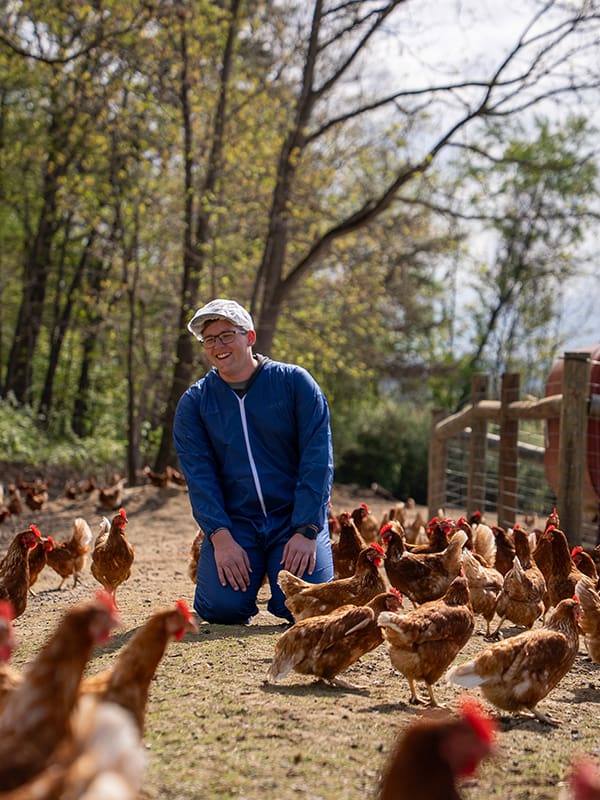
In Lancaster County and surrounding areas, many egg farms are small, family-run operations. That usually means fewer hens, more hands-on care, and more daily attention to how the birds are cared for and how the land is managed.
At that scale, farmers can focus more on things like pasture health, animal welfare, and long-term sustainability instead of just production volume. It also means decisions are often made by the people who are directly caring for the hens, not a distant corporate system.
This kind of support helps keep farming viable in the region. It helps preserve farmland, supports local families, and keeps agricultural knowledge passing from one generation to the next.
So when someone searches for fresh eggs from local farmers, they choose to keep that system going a little longer.
Transparency You Can Trust
One of the most meaningful differences when you purchase local is simply being able to ask questions.
When it comes to grocery store eggs, most of the story is hidden behind packaging and labels. With local farms, you can often learn exactly how things are done and even see it for yourself.
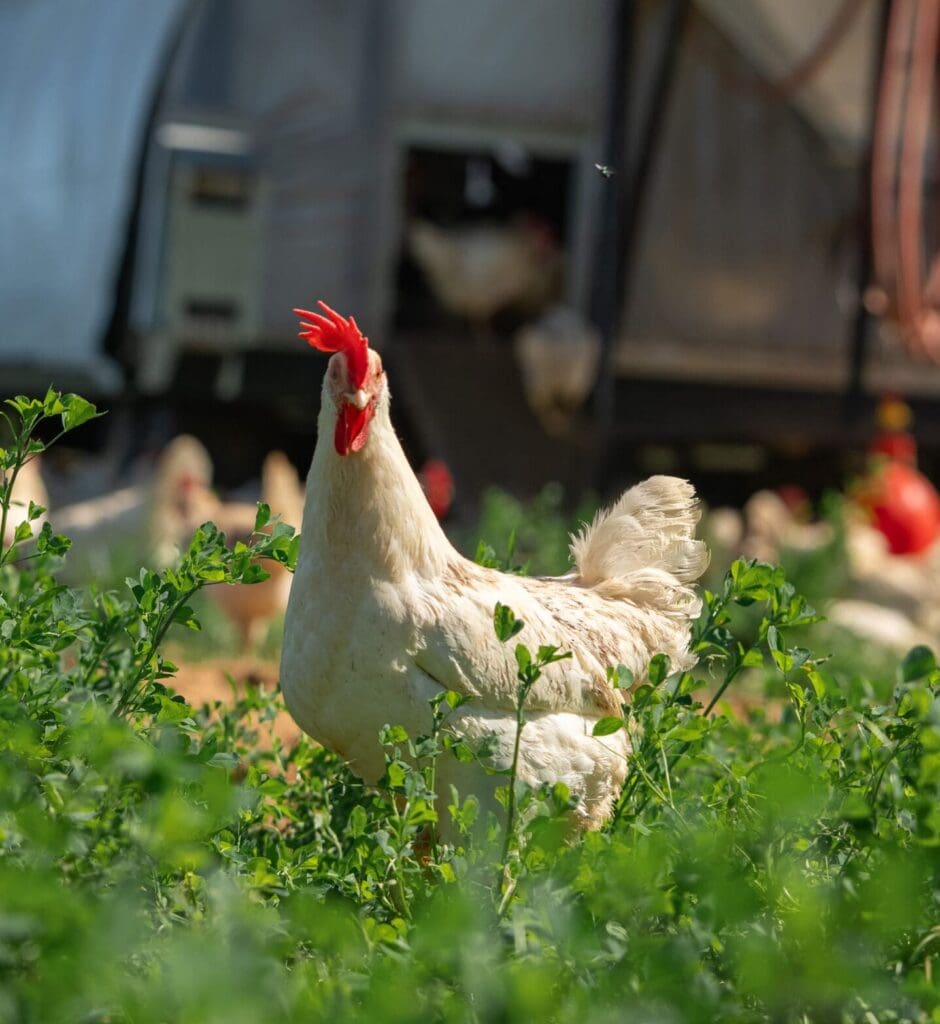
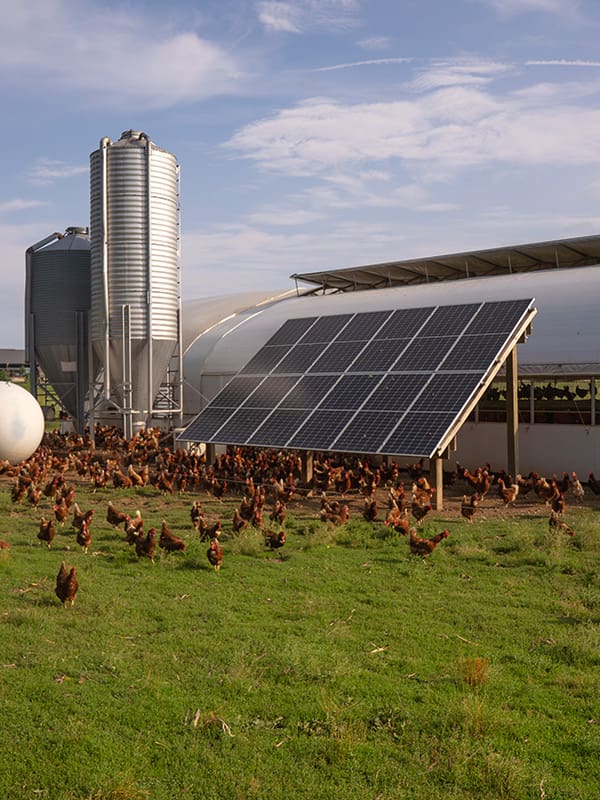
On pasture-based farms like Utopihen, hens are raised with outdoor access and space to move around naturally. That means they can spend time outside, forage, dust bathe, and behave more like chickens naturally do.
Farmers can also explain things directly, such as how often hens are moved to fresh pasture or how feed is managed throughout the year.
That level of transparency is something many people are looking for when they search for “pasture-raised eggs near me.” It is not just about the egg itself. It is about knowing the story behind it.
Seasonal Availability of Eggs
Eggs are most available in the spring and summer months.
One thing that surprises many people when they first start buying farm-fresh eggs is that they are not always available year-round.
Unlike grocery stores, where supply is designed to stay consistent, local egg production follows the natural rhythm of the hens and the seasons.

Spring and Summer: Peak Production
As daylight increases in spring and summer, hens naturally lay more eggs. This is when local farms tend to have their most consistent supply.
During this time, it is usually easier to find eggs at:
- farm stands
- farmers markets
- direct farm pickup locations
Fall: Things Start to Slow Down
As the days get shorter, egg production naturally begins to slow. This is not something farmers can fully control, and it is part of the normal biological cycle of hens.
During fall, you may notice fewer eggs available at once or slightly more limited selection at markets and stands. Some farms may sell out more quickly or prioritize regular customers first.
It is a natural transition period between peak production and winter slowdown.
Winter: Limited Supply
Winter is usually the most limited time for local egg availability. With less daylight, hens naturally lay fewer eggs, and many farms choose not to use artificial lighting in order to keep production more natural.
This can mean:
- smaller weekly availability
- more waitlists or preorder systems
- the need to plan ahead
If you are trying to buy fresh eggs during winter, staying connected to a farm directly often makes the biggest difference.
How to Support Local Farms Year Round
Supporting local farms is about small, consistent choices over time.
Most farms do best when customers treat local food as part of their routine instead of something occasional. That might mean picking up eggs at the farmers market each week or choosing local eggs when they are available instead of defaulting to grocery store options.
It also helps to stay flexible. There will be times when eggs are more abundant and times when they are harder to find. That is just part of working with natural production cycles instead of industrial ones.
Many people also find it helpful to build relationships with more than one farm or to sign up for newsletters so they know when eggs are available. Over time, that kind of connection makes it much easier to consistently find farm fresh eggs without relying on guesswork.
How to Store Farm Fresh Eggs
Once you bring farm fresh eggs home, storage is the next important step.
Washed Eggs vs. Unwashed Eggs
One of the biggest differences you will notice is whether eggs are washed or unwashed. Unwashed eggs still have their natural protective coating, often called the bloom. This coating helps protect the egg and keep it fresher for longer by sealing the shell naturally.

Washed eggs, which are more common in grocery stores, do not have that coating. That is why they must always be refrigerated.
Most farmers recommend storing unwashed eggs in the refrigerator as well for simplicity and consistency, especially if you are used to grocery store handling.
How Do You Wash Farm Fresh Eggs?
If eggs are dirty, it is best to wash them right before using them rather than washing them for storage.
The process is simple. Warm running water is usually enough to gently remove dirt or debris. There is no need to soak them or use soap in most cases.
After rinsing, it is important to dry them and refrigerate them if they are not being used immediately.
This helps preserve freshness while keeping handling safe and simple.
How Long Do Farm Fresh Eggs Last?
In most cases, refrigerated farm eggs last around four to six weeks, and sometimes longer depending on how they are handled. Unwashed eggs that are stored carefully may last for a shorter period at room temperature, but refrigeration is the most reliable method for keeping them fresh.
If you are unsure about an egg, a simple float test can help. Fresh eggs tend to sink, while older eggs may float or stand upright in water.
Farm Fresh Eggs vs. Grocery Store Eggs
The difference between farm fresh eggs and grocery store eggs comes down to time, handling, and production systems.
Grocery store eggs often go through a longer journey before they reach your kitchen. They are collected, processed, packaged, shipped, stored in warehouses, and then finally placed on shelves. By the time you buy them, they may already be several weeks old.
Local eggs, on the other hand, often reach you within days of being laid. That shorter timeline can affect everything from texture to flavor.
You may notice farm eggs have firmer whites and richer yolks, while store eggs can feel a bit looser or milder in taste. These differences are subtle, but they become more noticeable when you cook with them regularly.
Freshness Timeline of Farm Fresh Eggs vs. Grocery Store Eggs
Local eggs often:
- Reach consumers within 24 to 72 hours
- Are sold within days of being laid
Grocery store eggs:
- May be several weeks old before purchase
- Go through processing, distribution, and retail channels
This affects:
- Texture
- Flavor
- Cooking performance
Nutrition and Flavor
Farm fresh eggs often provide:
- Richer flavor
- Creamier yolks
- Higher omega 3 and vitamin content depending on diet
Flavor differences are especially noticeable when cooking or baking.
Hen Living Conditions
On pasture raised farms:
- Hens have outdoor access
- Space to forage and roam
- Exposure to natural sunlight and fresh air
Industrial systems may include:
- Indoor confinement or limited outdoor access
- Cage free or free range systems with varying standards
This is why many people search for pasture-raised eggs.
Visual Differences
Farm eggs typically have:
- Darker yolks
- Thicker whites
Grocery store eggs typically have:
- Lighter yolks
- Thinner whites

Why People Search “Buy Local Eggs Near Me” More Than Ever
Buying local eggs is more common because of nutrition, sustainability practices, and supporting local.
In addition, search interest in local egg farms Lancaster County has increased steadily because people are paying more attention to where their food comes from.
For many households, it starts with taste. Once someone tries pasture-raised eggs from a local farm, the difference is noticeable enough that they start looking for a regular source.
But the choice goes deeper than flavor.
People are increasingly interested in:
- supporting local food systems instead of national supply chains
- understanding how animals are raised
- reducing distance between farms and kitchens
- and choosing food with more transparency
In regions like Lancaster County where there is a dense network of small family farms, this shift is especially visible because local agriculture is still very active and accessible. That makes it easier for people to actually act on those searches instead of just reading about them.
Why Lancaster County Eggs from Utopihen Stand Out
Lancaster County has a long agricultural history and strong direct-to-consumer egg culture, and farms like Utopihen represent a more intentional approach to egg production.
Rather than treating eggs as a purely industrial product, the focus is on pasture-based systems, careful land management, and consistent attention to animal welfare.
Hens are raised with outdoor access and space to move naturally, which supports behaviors like foraging and dust bathing. These details may seem small, but they are part of what shapes both the quality of the eggs and the overall farming system.
Choosing eggs from local farms like this supports:
- regional agriculture
- responsible land use
- and food produced closer to home
For many people, that combination is what makes searching for “pasture-raised eggs near me” feel worth it in the first place.

I’m Ready to Buy Local Eggs!
Searching for farm-fresh eggs near you is about more than convenience. It is about choosing fresher food and supporting a stronger local food system.
Whether you are interested in:
- benefits of buying local eggs
- seasonal availability of eggs
- farm fresh eggs vs grocery store eggs
One thing is clear. Local pasture-raised eggs offer a meaningful difference in freshness, flavor, and transparency. We can’t wait for you to taste the difference!
Local Egg Buying FAQs
1. Where can I buy local eggs near me or farm fresh eggs in Lancaster County?
You can buy eggs near you in Lancaster County at farmers markets, farm stands, roadside honor-system coolers, local co-ops, and directly from nearby egg farms.
These options are common in Lancaster County because many farms sell eggs directly to customers, often within a short drive.
2. What are the benefits of buying local eggs?
The main benefits include fresher taste, better texture, stronger transparency in farming practices, and direct support for local farmers.
Local eggs also typically reach consumers faster than grocery store eggs, which can improve overall freshness and flavor.
3. Are farm fresh eggs healthier than grocery store eggs?
Farm fresh eggs may be more nutrient-dense depending on the hens’ diet and pasture access, especially when they are pasture-raised.
They can contain higher levels of omega-3 fatty acids and certain vitamins, although nutrition varies by farm and feed practices.
4. Why do farm fresh egg yolks look darker?
Farm fresh egg yolks are often darker because hens that forage on pasture eat a more varied diet that includes grasses, insects, and plants.
This natural diet increases pigmentation in the yolk, resulting in deeper yellow or orange color.
5. How long do farm fresh eggs last?
Farm fresh eggs typically last 4 to 6 weeks in the refrigerator and often longer when stored properly.
Freshness depends on handling, storage conditions, and whether the eggs have been washed.
6. Do I need to refrigerate farm fresh eggs?
Yes, farm fresh eggs should be refrigerated for best safety and freshness, especially if they have been washed.
Unwashed eggs may be stored short term at room temperature, but refrigeration is the most reliable method for long-term storage.
How can I tell if a farm fresh egg is still good?
You can tell if a farm fresh egg is still good using the float test.
Fresh eggs sink in water, while older eggs may stand upright or float. You can also check for odor after cracking.
8. What is the difference between pasture-raised, free-range, and cage-free eggs?
Pasture-raised eggs come from hens with the most outdoor access and space to forage.
Free-range eggs come from hens with some outdoor access, but conditions vary by farm.
Cage-free eggs come from hens housed indoors without cages, but they may not have outdoor access.
9. Why are local eggs sometimes more expensive?
Local eggs are often more expensive because they come from smaller farms that prioritize animal welfare, pasture access, and higher-quality feed.
They also have shorter supply chains and are produced in smaller batches, which increases cost but improves freshness and transparency.
10. Why do farm fresh eggs vary in size and color?
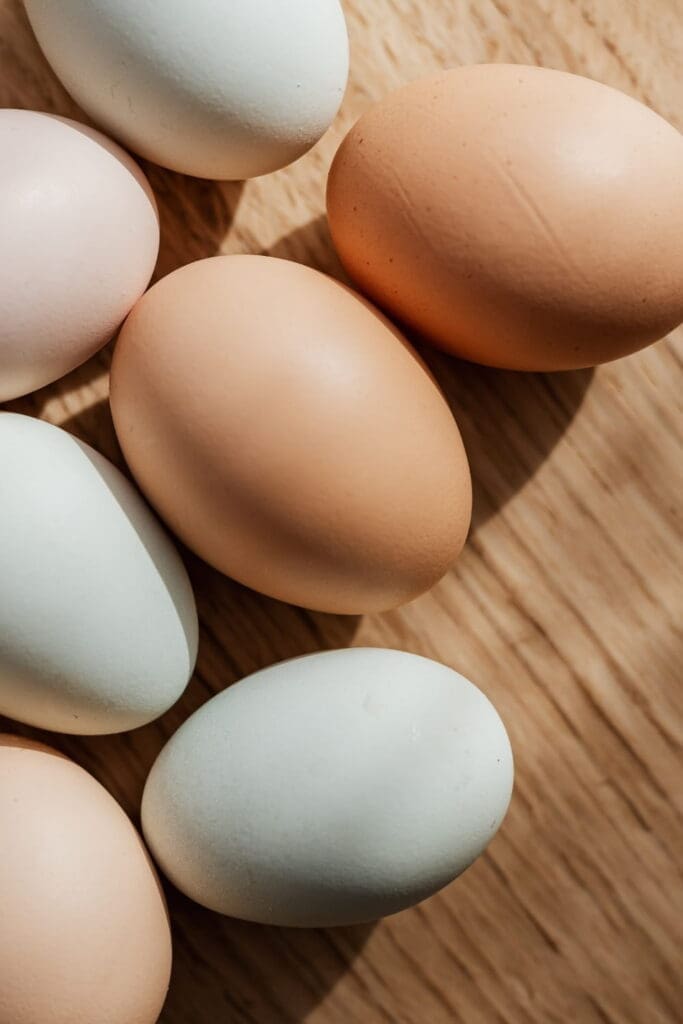
Farm eggs vary in size and color because hens naturally differ by breed, age, and diet.
Unlike industrial egg production, local farms do not standardize eggs for appearance, which results in natural variation.