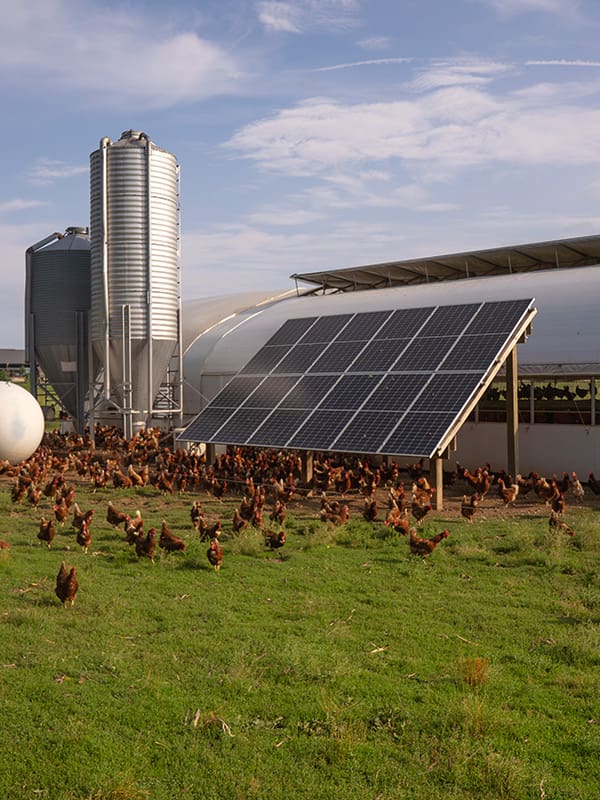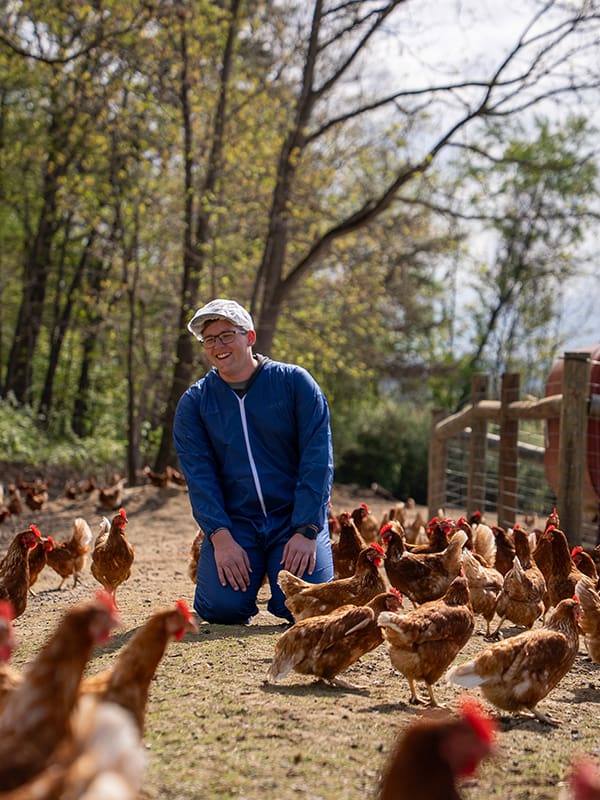
Utopihen Farms produces pasture raised eggs from hens fed a soy & corn-free diet using ingredients such as peas, alfalfa, vitamins, and other plant-based ingredients. The hens are raised on small family farms rooted in Lancaster, PA, with outdoor access and Certified Humane standards.
What are Soy & Corn-Free Eggs and Why Do People Look for them?
We get these questions a lot.
Soy & Corn-Free eggs are laid by hens that are not fed soy or corn.
People look for Soy & Corn-Free eggs for a variety of reasons. Sometimes it’s because someone is trying to avoid soy. Sometimes it’s because they’re paying closer attention to ingredient labels than they used to. Sometimes they’re just curious about what hens eat and whether it affects the eggs they bring home.
Whatever the reason, people who buy soy & corn-free eggs tend to care about where their food comes from.

At Utopihen Farms, our hens are raised on pasture and fed a carefully formulated non-GMO diet made without soy or corn. The result is an egg that’s shaped by both what the hens eat and how they live.
What Do Soy & Corn – Free Hens Actually Eat?
The obvious answer is: not soy and not corn.
The more interesting answer is what replaces them.
At Utopihen Farms, our hens eat a non-GMO feed made from ingredients like peas, alfalfa, vitamins, minerals, and other plant-based ingredients that help support hen health and egg production.
Feeding hens without soy or corn takes a little more creativity than a conventional feed program. That’s one reason soy & corn-free eggs are still relatively uncommon.
We think it’s worth the effort.
Why Pasture Matters More Than Most People Realize
One thing we think gets overlooked in conversations about eggs is that feed is only part of the story.
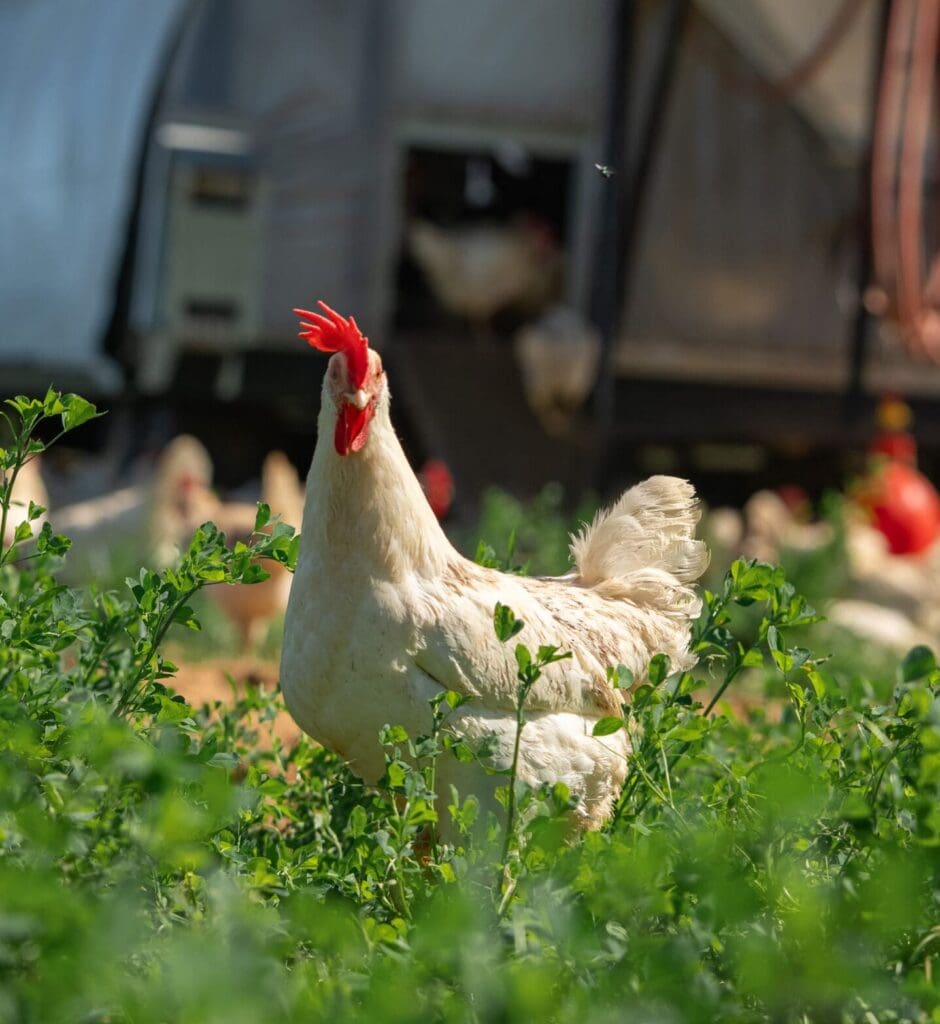
A pasture raised hen doesn’t live in a controlled environment every day of the year. She interacts with weather, grass, insects, seeds, and whatever the Pennsylvania weather brings.
That’s part of what makes pasture raised farming interesting. It’s also why pasture raised eggs naturally vary.
Some of the factors that can influence pasture raised egg characteristics include:
-
- Seasonal forage availability: Grasses, clover, seeds, and other vegetation naturally change throughout the year
- Insect activity: The warmer seasons in Pennsylvania provide greater access to insects and outdoor forage
- Weather conditions: Temperature, rainfall, snow cover, and wind can affect how much time hens spend outdoors
- Pasture quality: Soil conditions, vegetation growth, and regional landscapes may influence the outdoor environment available to hens
- Natural hen behavior: Some hens forage more actively than others, leading to natural variation within a flock
- Daylight hours: Seasonal light cycles can influence outdoor activity and laying patterns
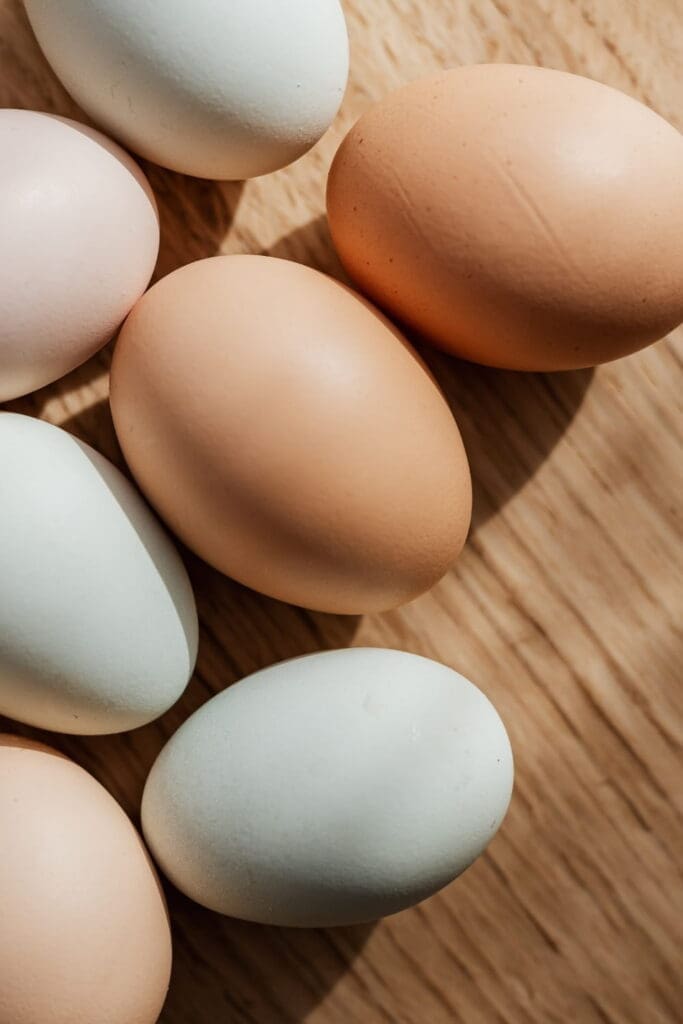
Because pasture raised systems are closely connected to the natural environment, some variation in egg appearance is normal. Consumers typically notice differences in:
-
- yolk color variation
- shell appearance
- egg size
- texture
- fatty acid composition
Pasture raised farming systems are designed to allow hens to express more natural behaviors such as scratching, pecking, dust bathing, and outdoor roaming. These environmental conditions are part of what makes pasture raised egg production different from more confined indoor systems and contribute to the natural variation often associated with pasture raised eggs.
Why Feed Ingredients Matter in Egg Production
Feed matters more than most people realize.
A hen can only make an egg from what she has available to work with. That’s why farmers spend so much time thinking about feed. Protein, vitamins, minerals, energy sources—all of it plays a role in supporting hen health and egg production.

The exact formula matters, but so does the goal: healthy hens producing high-quality eggs year-round.
How Seasonal Changes Affect Pasture Raised Hens
Seasonal weather and pasture conditions can influence how hens forage and interact with their environment. Changes in temperature, daylight hours, vegetation growth, and insect activity may all contribute to natural differences in egg production and egg characteristics throughout the year.
As the seasons change, the outdoor environment available to pasture raised hens changes as well. Spring and summer pastures may provide more grasses, insects, and diverse forage, while colder months can bring reduced vegetation growth and different feeding patterns. These natural shifts can influence how hens spend their time outdoors and what they consume throughout the day.
Daylight hours may also affect laying patterns, as hens naturally respond to seasonal light cycles. Warmer weather can encourage increased outdoor activity and foraging, while winter conditions may lead hens to spend more time sheltered indoors, depending on temperature, snow cover, wind, or rainfall.
Because pasture raised systems are connected to natural environmental conditions, some differences in egg appearance and yolk color variation can occur from season to season. These differences are a normal part of pasture based farming and reflect the changing conditions hens experience throughout the year.
Nutritional Information for Our Soy & Corn-Free Eggs
We heard you. Transparency matters to us, and we also recognize that we haven’t arrived yet.
At Utopihen Farms, we are on a journey to better understand, test, and share the nutritional makeup of our pasture raised eggs. Below is the latest full-spectrum nutritional analysis we’ve completed on our soy-free, corn-free eggs, tested independently to provide additional detail and context. You can also view the individual reports below!
Key Takeaways:
-
- Utopihen’s pasture raised hens are fed a non-GMO, soy & corn-free diet made with ingredients such as peas, alfalfa, vitamins, and minerals, while living on Certified Humane family farms with outdoor pasture access.
-
- Natural variation is part of pasture raised egg production. Factors like seasonal forage, weather, insect activity, and individual hen behavior can influence yolk color, shell appearance, egg size, and nutritional composition throughout the year.
-
- Feed ingredients and pasture access work together to shape egg quality. Utopihen emphasizes transparency through independent nutritional testing while continuing its journey toward offering organic soy & corn-free eggs in the future.


Let’s Talk About Dark Egg Yolks
This might be the single most common question we get.
People crack open one of our eggs, see a deep orange yolk, and immediately want to know what causes it.
The short answer is: what the hen eats.
The longer answer is that yolk color is influenced by a lot of different things, including pasture access, forage, feed ingredients, seasonality, and even the individual habits of the hen herself.
Some of the factors that can affect yolk color include:
- How much grass a chicken chooses to eat each day
- Environmental factors, including soil (dirt can sometimes lead to paler yolks)
- Whether the hen’s environment provides a wider nutritional input, such as berries, nuts, or vegetable scraps
- Feed ingredients: our local feed mill nutritionists* are intentional about mixing high-quality feed that supports hen health through each season. Some natural ingredients, such as paprika or marigold flowers, may be used to support balance and contribute to yolk color
Like many things in farming, moderation and balance matter. Our mission is to support our farmers in doing what’s best for their hens every day.
*Utopihen Farms’ mission is to source ethically raised hens from locally owned and operated small family farms, helping keep these farms in business for the future. At this time, we do not have in-house nutritionists and instead rely on long-standing partnerships with local feed mills and nutritional experts.

How Soy & Corn-Free Chicken Feed Works
Feeding hens without soy or corn takes extra care and creativity. Soy & corn-free feed is still relatively new in the egg industry, and we work closely with local feed makers and expert nutritionists to help ensure our farmers have access to high-quality, plant-based options.
While exact feed formulas are proprietary, our goal is simple: to meet our hens’ nutritional needs with soy-free feed made from ingredients such as peas, alfalfa, vitamins, and other seasonally available, protein-rich ingredients that support a healthy, balanced diet.
Are Utopihen Eggs Omega-3 Enriched?
Not in the way most people mean when they ask that question.
We don’t formulate our feed to hit a specific omega-3 target or market our eggs as omega-3 enriched.
What we can say is that pasture raised hens naturally consume a more varied diet, and that can influence the fatty acid composition of the eggs they produce.
That’s one reason we believe in testing and sharing our nutrition data whenever possible.
Why Aren’t These Eggs Organic?
We hear this question often, especially from customers who see “non-GMO,” “corn-free,” and “soy-free” on the carton and assume organic comes with it.
Organic certification requires every ingredient in the feed to be certified organic and consistently available through the supply chain. For soy & corn-free feed, that’s more complicated than it sounds.
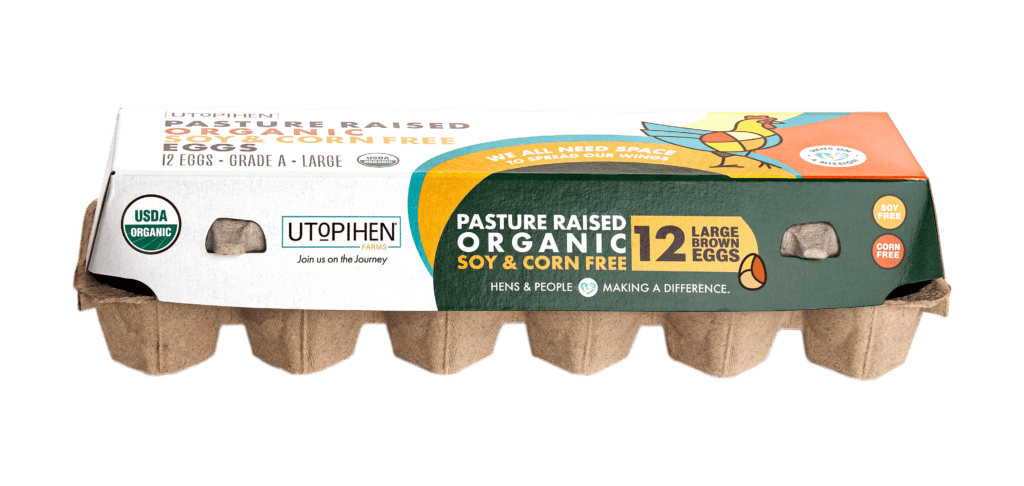
We have been working hard to bring Organic Soy & Corn-Free eggs to you that have the same rich flavor and dark yolk you know and love. We have just launched our Organic Soy & Corn-Free and are excited to continue to journey towards making them better!
Soy & Corn-Free Egg FAQ
1. Are soy & corn-free eggs the same as organic eggs?
No, they are different certifications. Organic eggs require all feed ingredients to be certified organic. Soy & corn-free eggs focus specifically on removing soy and corn from the hen’s diet, regardless of whether the remaining ingredients are organically certified.
2. What do soy & corn-free hens eat?
At Utopihen Farms, hens eat a non-GMO feed blend that includes peas, alfalfa, vitamins, and minerals, all formulated without corn or soy. This plant-based diet is designed to meet the full nutritional needs of laying hens while complementing their pasture raised lifestyle.
3. Why do pasture raised egg yolks vary in color?
Yolk color is directly influenced by what a hen eats. Hens with access to more grass, insects, and diverse forage tend to produce deeper-colored yolks, while hens eating primarily grain-based feed produce paler ones. Seasonal changes in pasture availability mean yolk color can shift throughout the year, as is expected in pasture raised eggs.
4. Do pasture raised hens actually forage outdoors?
Yes. Utopihen hens have daily outdoor access on Certified Humane-certified farms. What they forage depends on the season, weather, and pasture conditions — grasses, seeds, and insects in warmer months; reduced forage in winter. Outdoor time and individual hen behavior vary naturally within a flock.
5. Where can you buy Utopihen Pasture Raised Soy & Corn-Free Eggs?
Check out our Store Locator to find these eggs near you!