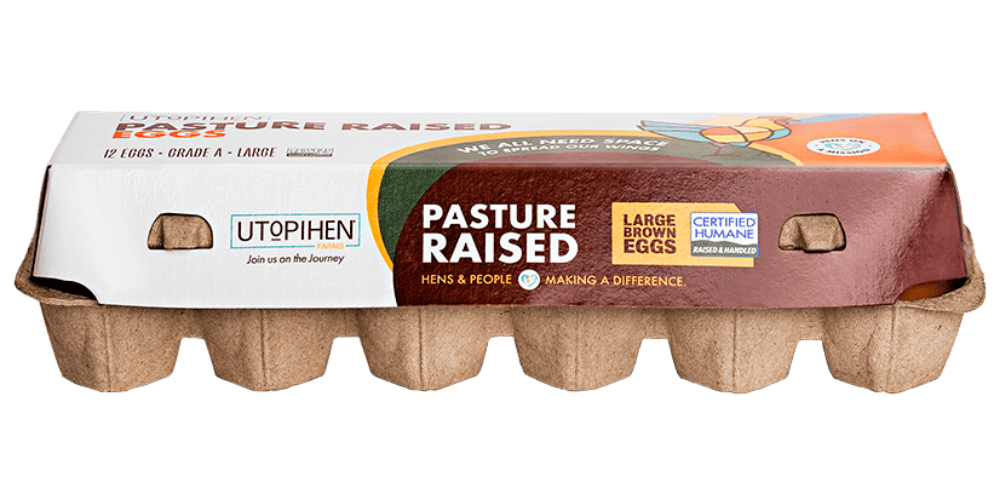
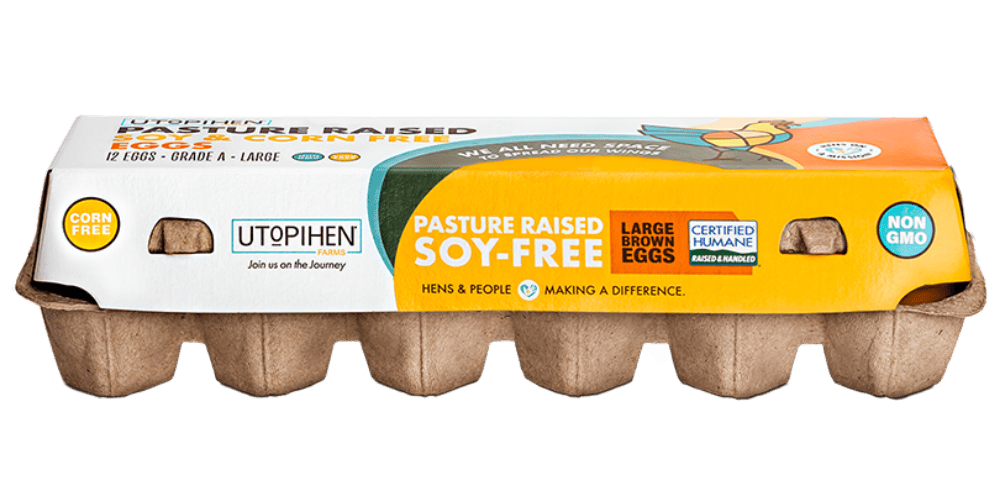
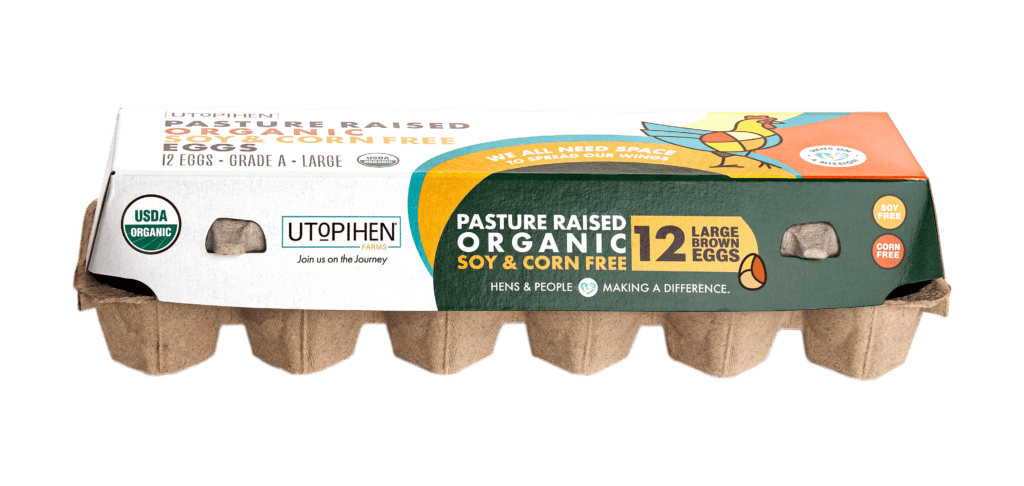
We All Need Space to Spread Our Wings

Pasture raised on small family farms in Lancaster County, Pennsylvania and the surrounding area. 110 square feet per hen. Certified Humane. A yolk that shows you the difference the moment you crack one open.

Our Eggs

Recipes

Thoughtful Practices. Trusted Standards.

Real Pasture Access

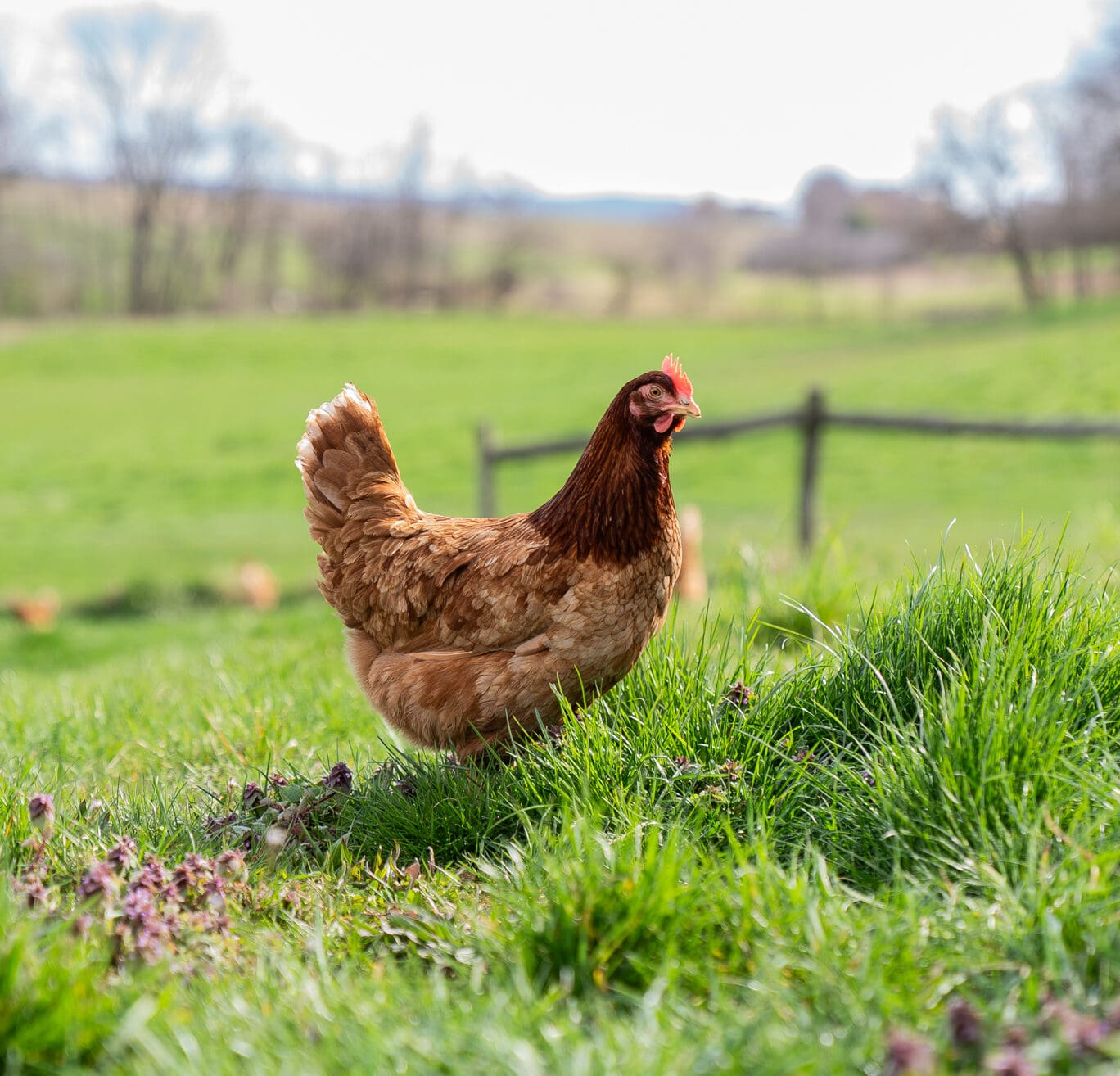
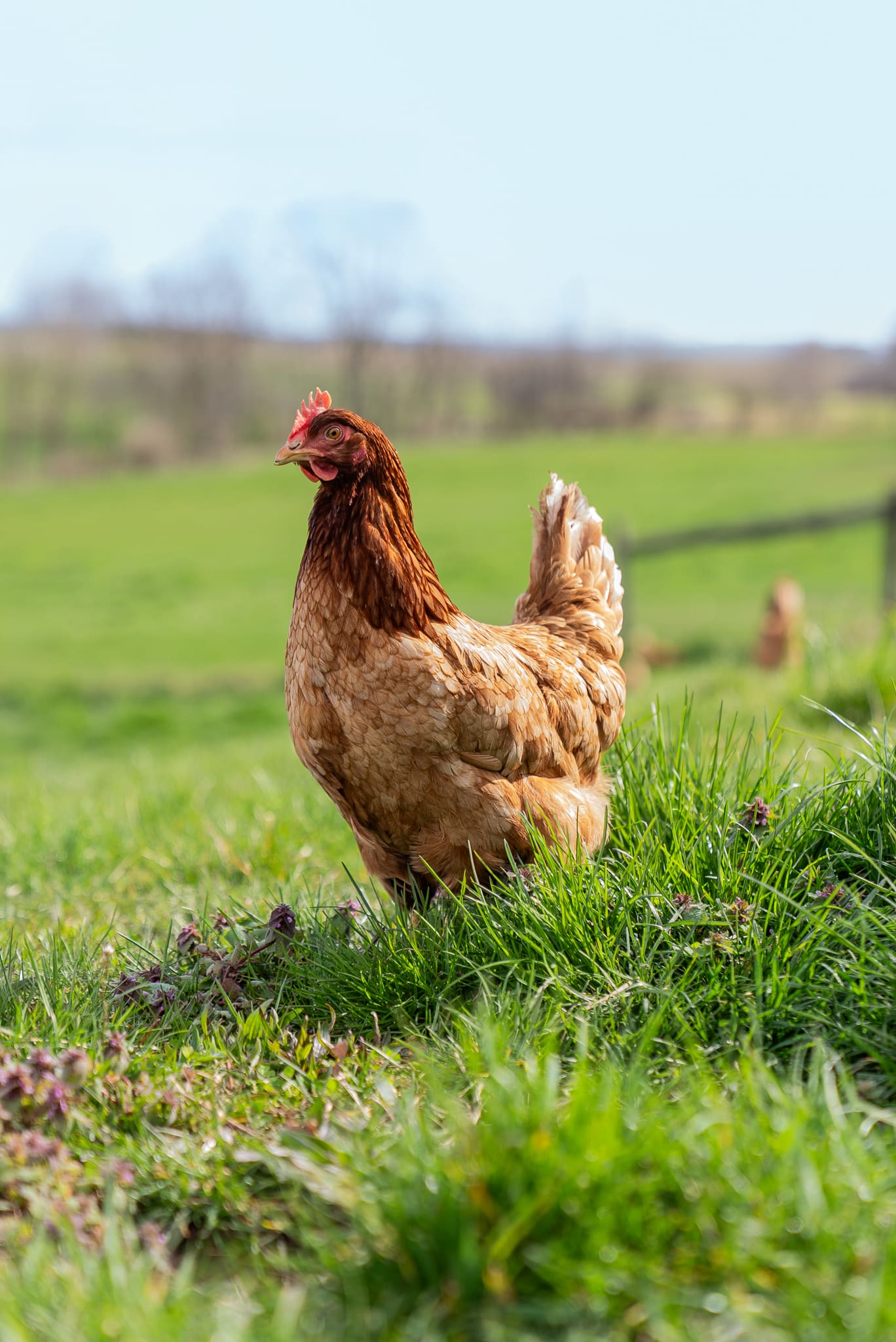
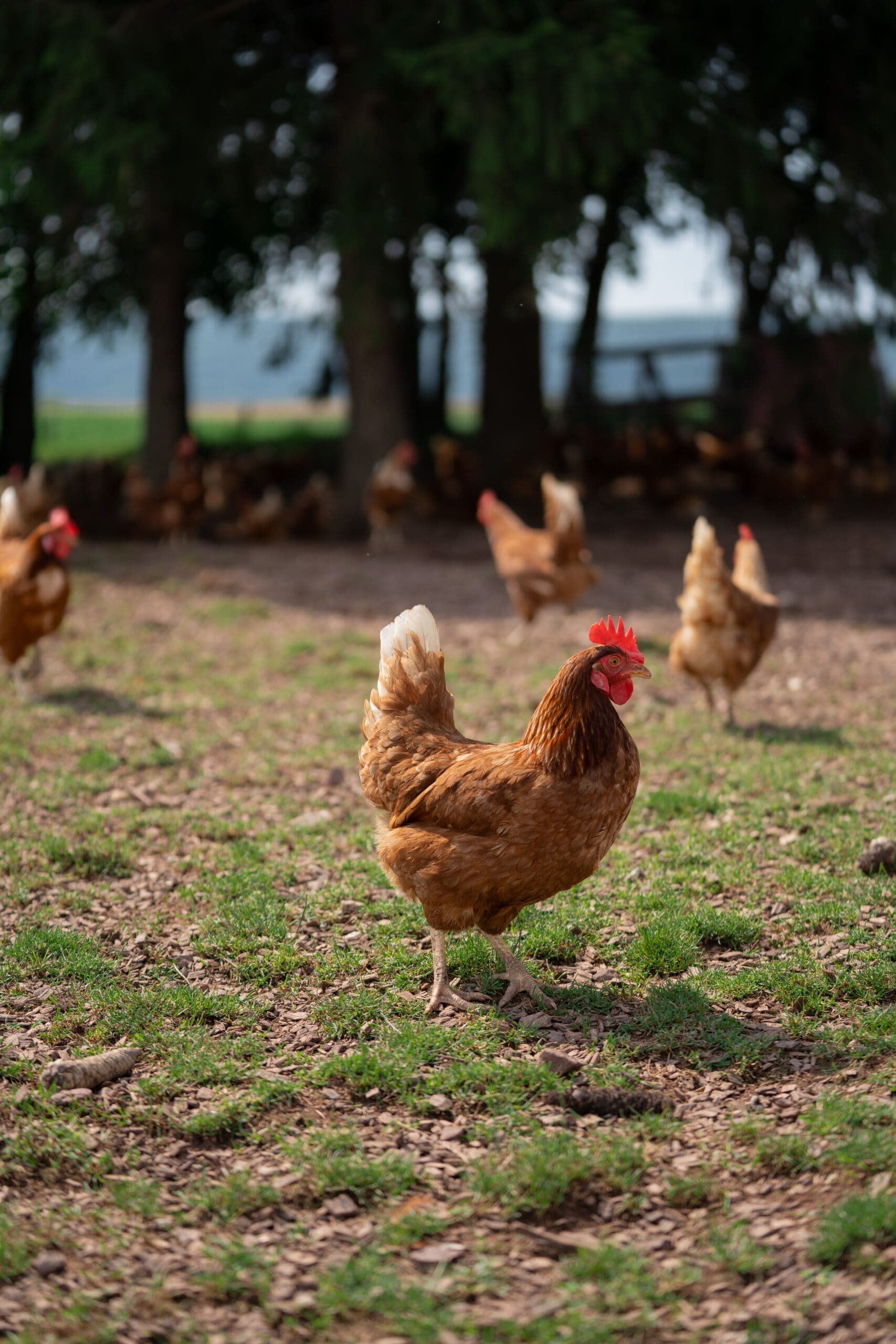
Our hens have 110 square feet of pasture per bird and access to get out on that land every single day. Not a small door that technically qualifies. Real grass, real sunlight, real space to spread their wings.

Small Family Farms

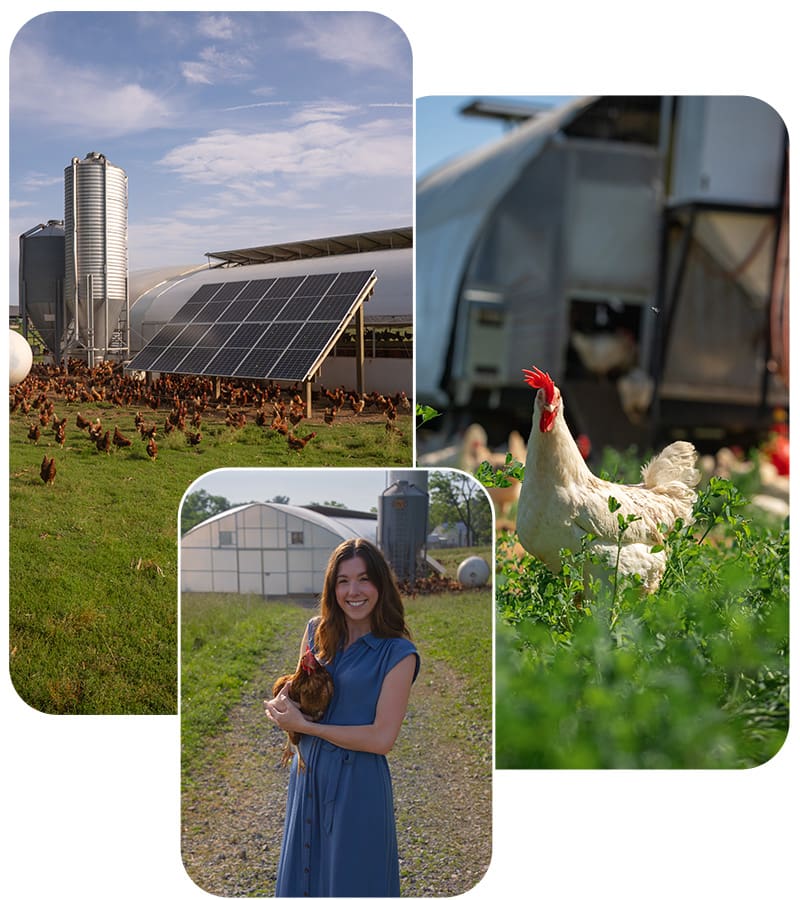
Every egg we sell comes from small, family farms in and around Lancaster County, PA. We cap flock sizes so each farmer can know their hens, walk their pasture daily, and catch problems before they grow.

Clean from the Ground Up

Non-GMO feed. Certified organic options. Soy & corn-free options. And on our organic farms, the soil itself is tested for pesticides and synthetic contaminants. The cleanliness of the system goes all the way down.

A Journey to a Better Egg

For us, better eggs start with how hens are raised and cared for. We’re always learning, evolving, and finding ways to do better. Standards like the Certified Humane certification are an important part of that journey, helping verify the care behind every carton.

We Started Here Because It Matters

Most eggs in the grocery store come from hens that never see daylight. Cage-free, free-range, even some organic: the labels sound good until you look at what they actually require.

We started Utopihen because we thought the way most eggs are produced could be better. Better for the hens. Better for the small family farmers we partner with in the Lancaster County area. And better for the people eating them.

That’s not a tagline. It’s the actual reason we exist.

Our hens have 110 square feet of pasture per bird, more than the Certified Humane standard requires. We cap flock sizes to keep the ratio of farmer attention to hen as high as possible — because a farm that’s too big to walk every day is a farm that’s too big to do right. Every chicken egg we sell is third-party verified by Certified Humane, which means an independent inspector has visited the farm and confirmed the standard is being met. And we work exclusively with small, independent family farms, not because it’s a story that sounds good, but because those farms produce better eggs and we want to help keep them in business.

We are rooted in Lancaster County, Pennsylvania. One of the most storied agricultural regions in the country. The people farming here have been doing it carefully for generations, and that context shapes everything about how we operate.

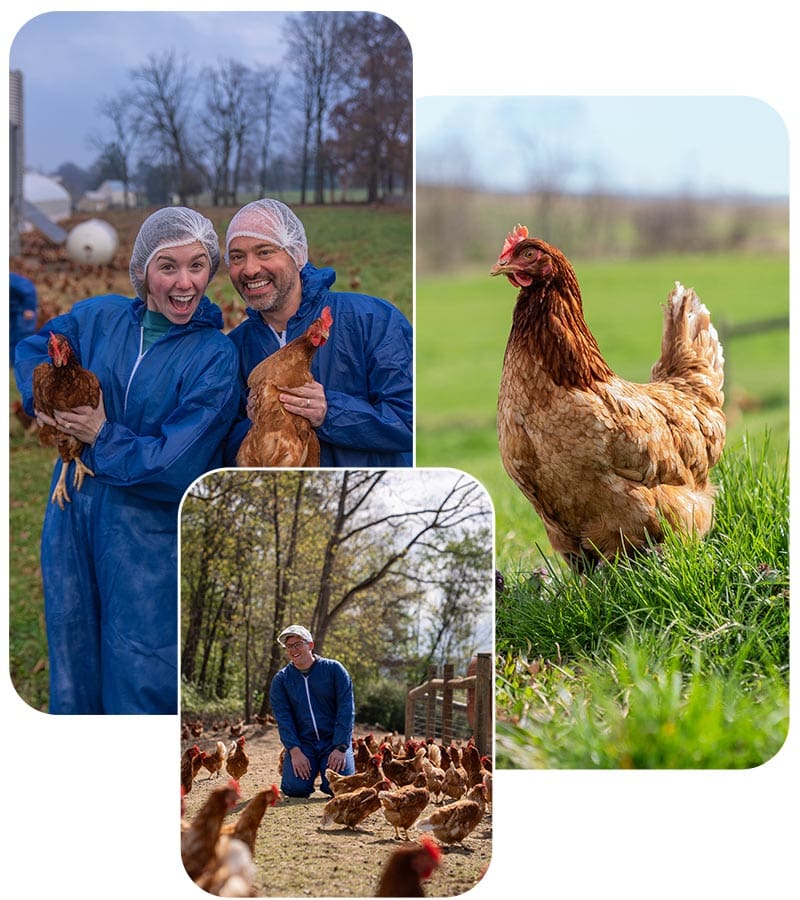
A collage featuring various individuals interacting with chickens in diverse settings

Not All Pasture Raised Is the Same

The term pasture raised isn’t regulated the way organic is. Any farm can put it on a carton. What separates a genuinely pasture raised egg from one that’s just labeled that way comes down to three things: how much space the hen actually has, how much time she actually spends outside, and whether anyone independent has verified any of it.

Pastured Raised_1000x500
Capped flock sizes

More space per hen only matters if the farm is small enough to manage properly. We cap the number of hens raised on each farm — well below what the industry considers standard — so that each farmer can know their flock, walk their pasture daily, and catch problems before they grow. A farm that's too big to manage closely isn't a farm we want to work with.

Out every day

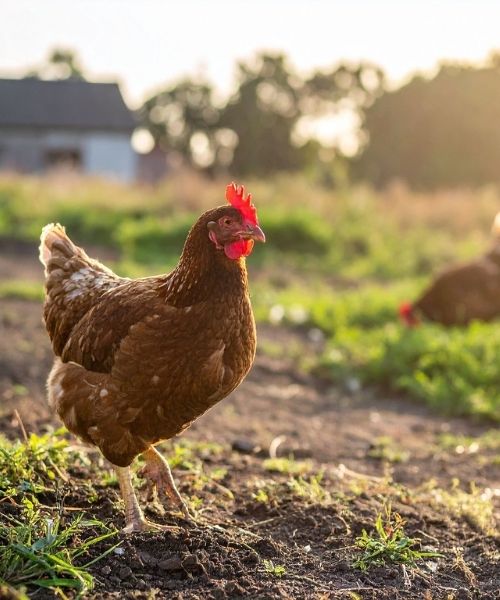
Our hens are let out every morning and called back before dark. They spend their days on real land, in real sunlight, foraging for grass, insects, and plants. That outdoor diet is what produces the deeper yolk, the higher vitamin D, and the richer flavor that distinguishes a pasture raised egg from everything else in the egg case.

Third-party verified.

Every chicken egg carton we sell carries the Certified Humane seal. That seal isn't self-reported. It requires an inspection by an animal scientist with a graduate degree in animal science, and it confirms that the hens' living conditions actually meet the standard. We think that matters. Most producers skip it.

110 square feet per hen

The Certified Humane pasture raised standard requires 108 square feet. We require 110. That's not a rounding difference. It reflects how seriously we take the standard and the fact that we'd rather exceed it than meet it.

Small Farms. Real Farmers. Rooted in Lancaster County.

We don’t own the farms our eggs come from. We partner with small, independent family farmers in Lancaster County, Pennsylvania and the surrounding area. We think that distinction matters.

These farmers know their hens. They walk the pasture every day. When something is off, they notice in a way that simply isn’t possible at industrial scale. That attention to the animals is part of what produces a consistently good egg, and it’s the part that’s hardest to replicate if you get too big.

Lancaster County has one of the longest agricultural traditions in the country. The people farming here have been doing it carefully for generations, and that culture keeps standards high. We are rooted here because the land is right for it and because the farming community makes it possible to do things the way we believe they should be done.

Small Farms Real Farmer Lancaster County

Join Us on the Journey

We didn’t start Utopihen because we thought the egg market needed another brand.

We started it because we genuinely believe the way most eggs are produced can be better: better for the animals, better for the land, and better for the people eating them. And because we think the small family farms doing things right deserve to stay in business.

We all need space to spread our wings. That’s true for hens on open pasture in Pennsylvania, and it’s true for the farmers, the families, and the communities built around doing things right. Everything we do at Utopihen is in service of that idea.
That belief extends further than the egg. We’re working toward regenerative agriculture programs, deeper partnerships with the farming community, and ways to bring the people buying our eggs into the broader journey of building something better.
It’s a long road. We’re glad you’re on it with us.
Scroll to Top