
From the start, the Weaver family has been committed to finding a way to make something better than it already is. What began as a question about cholesterol levels, soon evolved into a specialty egg company that paved the way for others to ask the same questions.

In the early 1990s, the family started focusing on what would become a defining part of the business: organic and free-range eggs, before either of those things had much of a market.
The first brand was called Giving Nature. It found its way into Whole Foods and established the company as one of the earliest specialty egg producers in the country. Then came a trademark issue, and with it a decision that turned out to matter: rather than fight over a name, they built a better one.
Nature’s Yoke was trademarked deliberately, with full ownership, in 2000. It was designed from the start to last. And it has.
When Whole Foods eventually launched its own competing brand, the family pivoted again by leaning into private packing, expanding distribution, and building the grassroots retail relationships that would eventually put their eggs into mainstream grocery stores across the New York region.
The approach was simple and surprisingly effective: offer to take back anything that didn’t sell. This approach minimized the risk for the retailer and let the product prove itself. It worked. And it kept working for decades.

We Were Doing It Before There Was a Word for It
In 2007, the family began raising pasture raised eggs. At the time, there were no formal Certified Humane standards for pasture raised production. No certification body had defined what it meant, perhaps because no inspector was checking.
The family did it anyway.
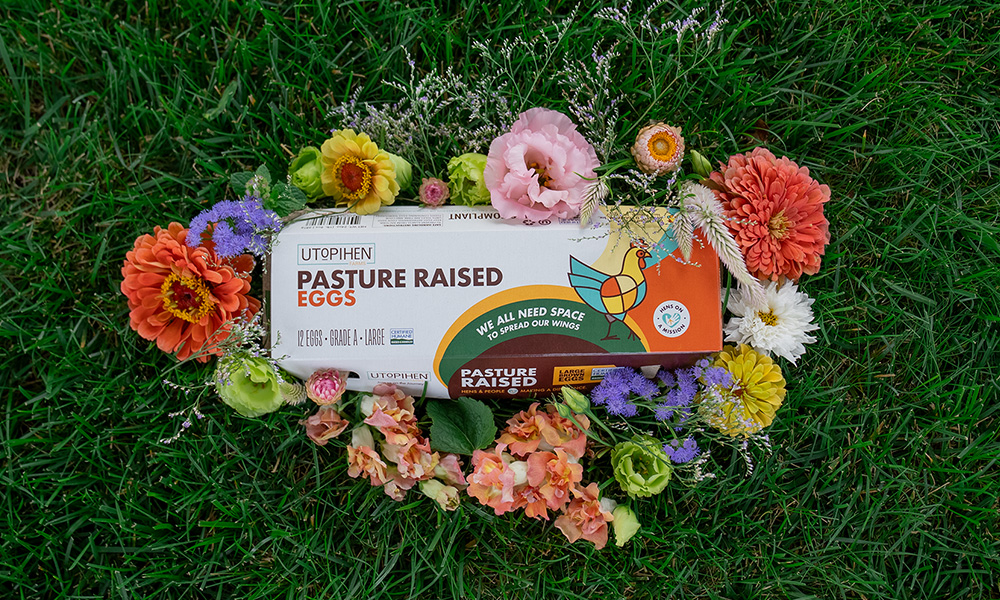
They helped shape the emerging definition of what pasture raised should require, pushed for clear standards in the industry, and eventually achieved Certified Humane certification by 2018. That certification matters to us not because it’s a marketing tool, but because it means an independent expert has visited our farms and confirmed that what we say about how our hens live is actually true.
Soy-free eggs came next, pioneered around 2014. The technical challenges were real, and included reformulating feed without soy while keeping hens healthy takes genuine expertise and iteration. It took until 2018 to get it right, but getting it right was the only acceptable outcome.
That’s been the pattern for Utopihen: find the harder, better way, do the work to prove it’s achievable, then do it at scale.
Nature’s Yoke and Utopihen: Different Names, Same Roots
Today, the family operates two distinct brands, and the distinction is intentional.
Nature’s Yoke carries the legacy because it’s rooted in the family’s history, the generations of relationships with farmers and retailers, and the kind of broad, familiar appeal that comes from doing something well for a very long time. Eggs have always been a unifying breakfast food. Nature’s Yoke is the brand that honors that.
Utopihen Farms is where the family pushes forward. It’s built around the highest standard of pasture raised production, a commitment to farming practices that are genuinely better for the animals and the land, and a vision that extends beyond the carton. Utopihen is not just a specialty egg brand. It’s a platform for the kind of change we believe is possible when a business takes its responsibility seriously.

The two brands serve different parts of the market. What they share is a foundation: farms in and around Lancaster County, hens raised with care, and a family that has never been willing to take shortcuts.
Small Farms. Real Relationships. No Shortcuts.
We don’t own the farms our eggs come from. We partner with small, independent family farmers in the Lancaster County area, and we’ve structured the business deliberately to support those relationships rather than outgrow them.
For a long time, leadership was stretched thin. Sales, transportation, and farmer support were falling on too few people. Building a dedicated farm team changed that.
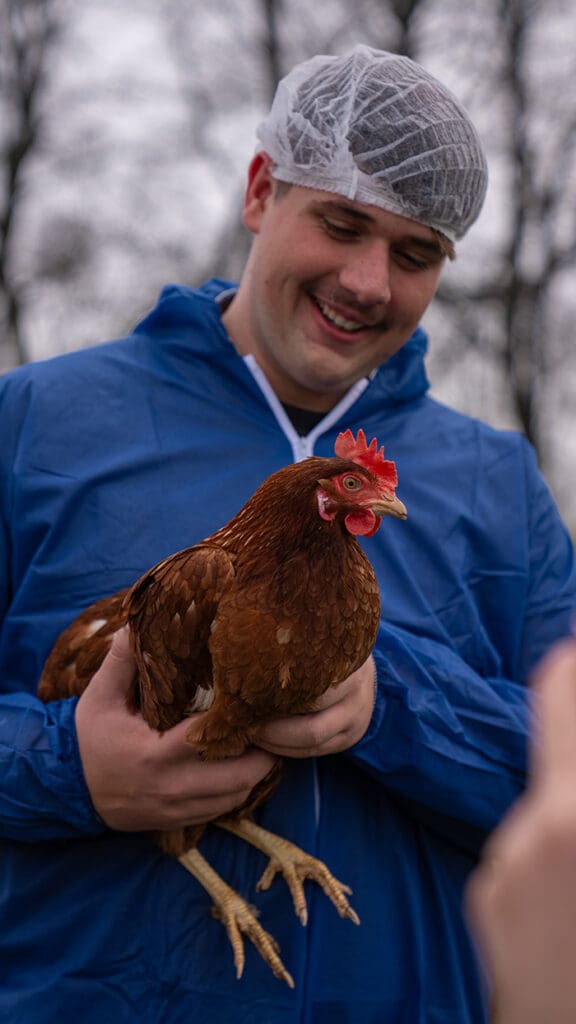
Now our team members know the farmers personally. They know the farms, they show up early when a problem needs solving, and stay late when a farmer needs support. That level of attention doesn’t scale the way a factory does. That’s the point.
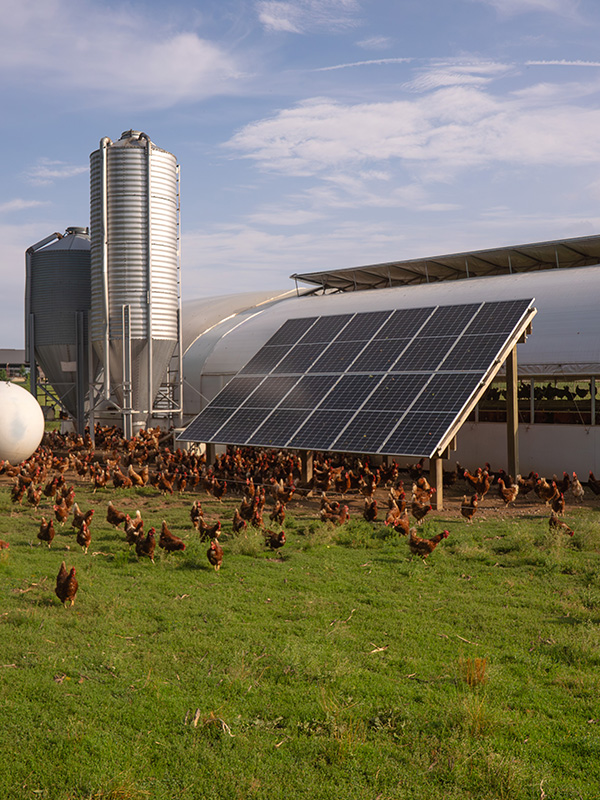
We also cap flock sizes. Not because a regulatory body requires it, but because a farm that’s too big to walk every day is a farm that’s too big to manage right. The quality of an egg is a direct output of the quality of the attention paid to the hen that laid it. We take that seriously.
Lancaster County has one of the most established and respected farming traditions in the country. The people farming here have been doing it carefully for generations, and that culture holds everyone to a higher standard. We are rooted here because it produces better eggs and because being part of that community means something to us.
This Is About More Than Eggs
There’s a version of this story that ends with, “and we make great eggs.” That version is true, but it’s not complete.
The founder’s vision for Utopihen has always been larger than the product. It includes a belief that a business can be a vehicle for genuine good for the animals in its care, for the farmers it partners with, for the land those farms sit on, and for the people who buy the eggs.
That means caring about things that don’t show up on a profit margin, like environmental stewardship or how communities treat the land they inherit.
There’s a dream here of engaging with colleges and schools to teach stewardship, sustainability, and respect, rather than abstract concepts, but as practical values that change how people move through the world.
We know that’s a long road. There’s no finish line on a mission like that. But we believe in doing hard, detail-oriented work for lasting impact, and we believe that small, consistent actions compound over time into something that matters.
Every farm visit. Every farmer relationship. Every carton that actually meets the standard it claims to meet. It adds up. And it’s the only way we know how to do this.
Three Generations In
The Weaver family runs this business together, and that’s never been a given. George Weaver’s children grew up with the freedom to choose their own paths — to go into the business or not, and to find the roles that fit who they are rather than what the org chart needed. The current generation came up through the company the same way: hands-on, cross-trained, and expected to understand every part of the operation before leading any of it.

That approach produces something hard to manufacture: people who genuinely know what they’re doing and genuinely care about doing it right. Everything from cleaning the facility and date-stamping cartons to sitting in audits or walking farms at dawn. All of it, before any of it becomes someone else’s job.
Join Us on the Journey
We’re investing in Utopihen because we believe it represents the direction the food system needs to go. More transparency, more accountability, and more genuine care for the animals and the land. Faster growth doesn’t mean cutting corners; it means building systems that let us do more of what we already do well.
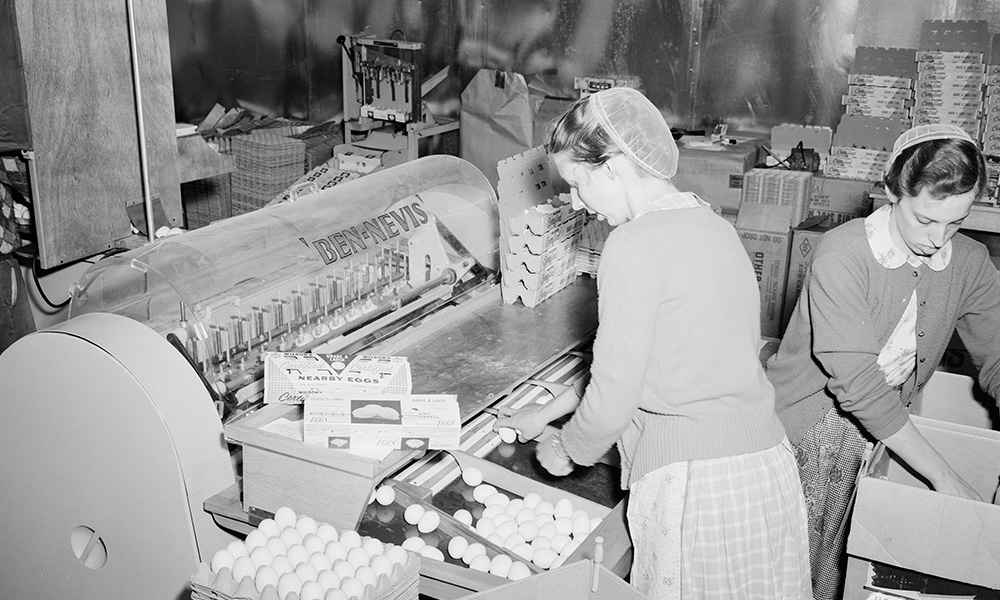
There are plans in the works for regenerative agriculture programs, deeper community partnerships, and a legacy film that will tell the full story of the family’s three generations in farming. Old slide reels are being sourced. Archival footage is being collected. The history deserves to be told properly, and we intend to tell it.

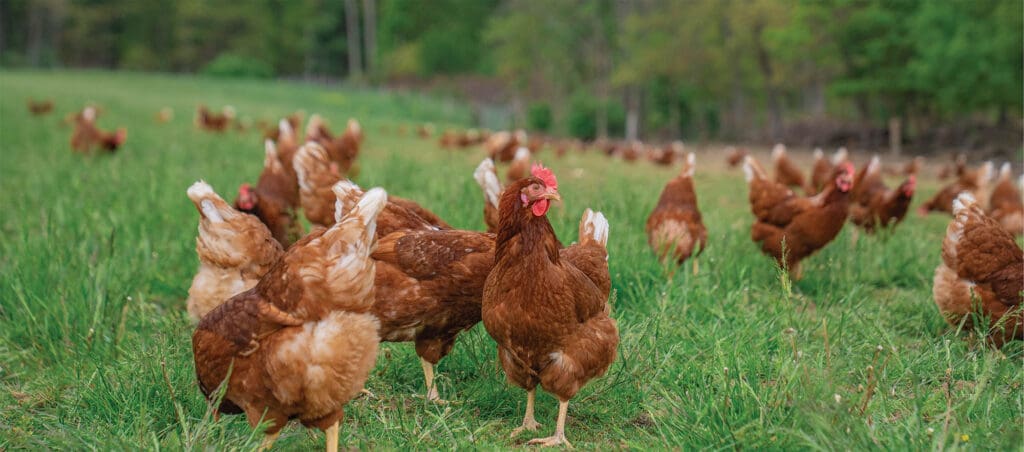
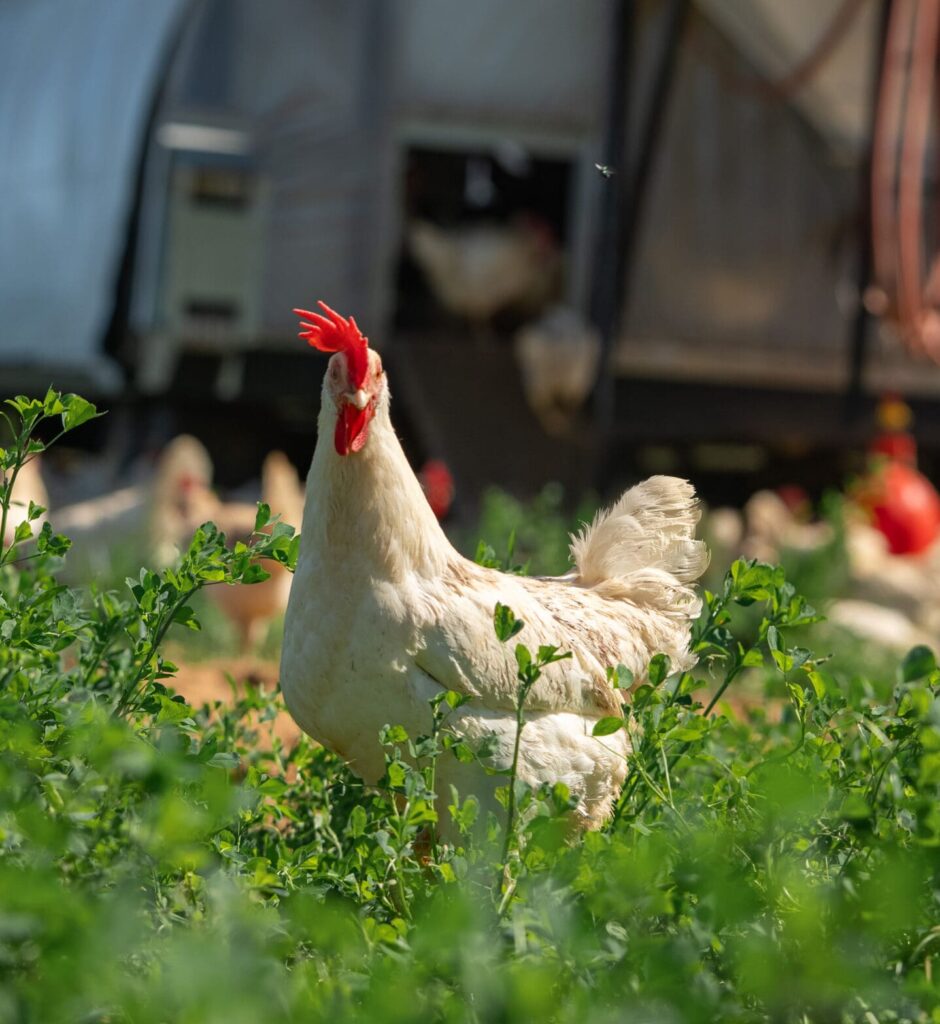
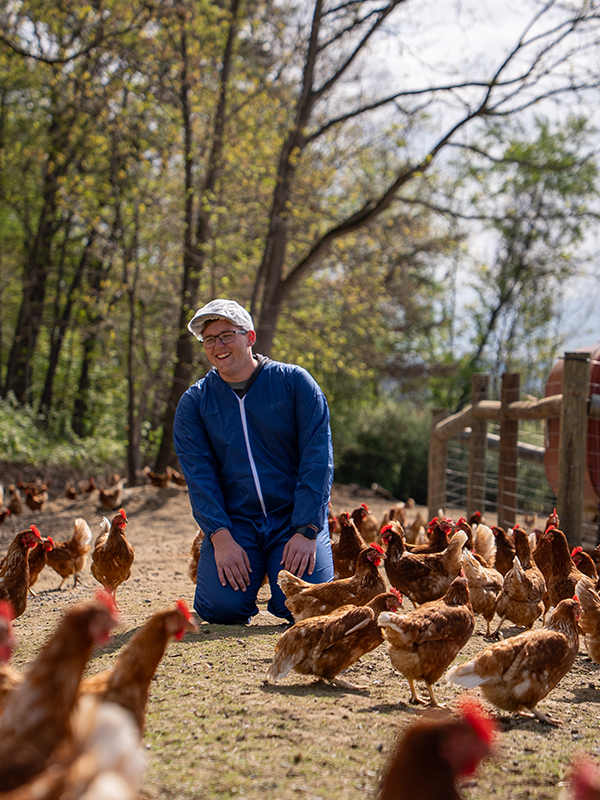
But the most important thing isn’t what’s coming. It’s the work happening right now, on small family farms in the Lancaster County area, with hens that have real room to roam and farmers who know each one of them by name.
That’s what Utopihen is. That’s what it’s always going to be.